




On the morning of November 6, 2025, a fisherman from Gujarat’s Madhwar, a fishing settlement on the southwestern coast of the state, received a series of phone calls informing him that his boat had been seized.
The boat, Nar Narayan, had departed from Okha, one of Gujarat’s largest fishing harbors, and its owner, Jayenti Namji Rathore, was expecting the crew to be on their voyage back.
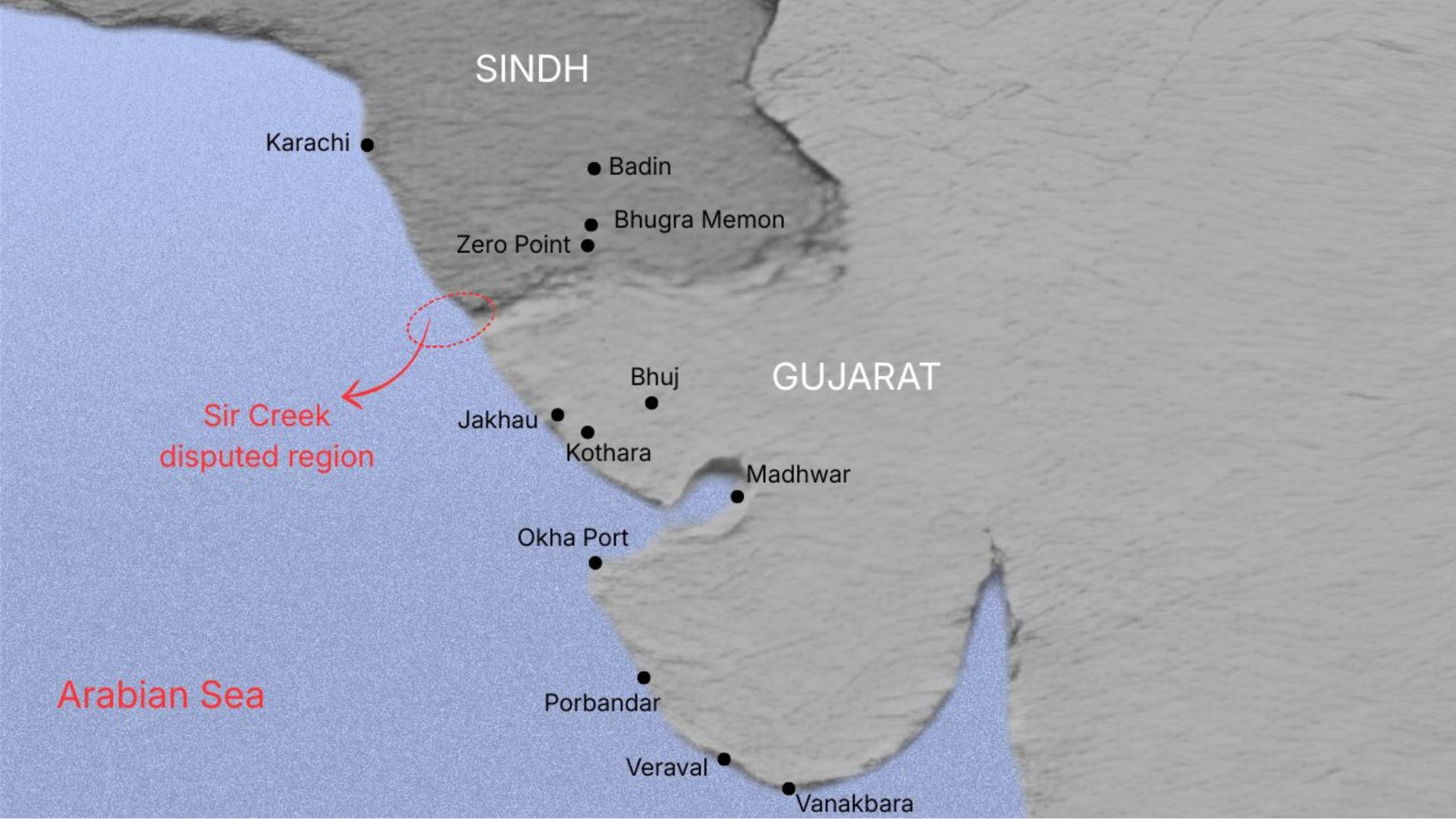
The Nar Narayan was intercepted by the Pakistan Maritime Security Agency (PMSA) near Jakhau on the shores of the Arabian Sea, for allegedly crossing the disputed maritime border between Gujarat and Pakistan’s Sindh province. This area is known as the Sir Creek (pronounced: seer creek; “sir” is the English, imperial address of the name).
All seven crew members on board—hailing from four fishing settlements in Gujarat and one in Satpati in Maharashtra—have been detained in Sindh ever since.
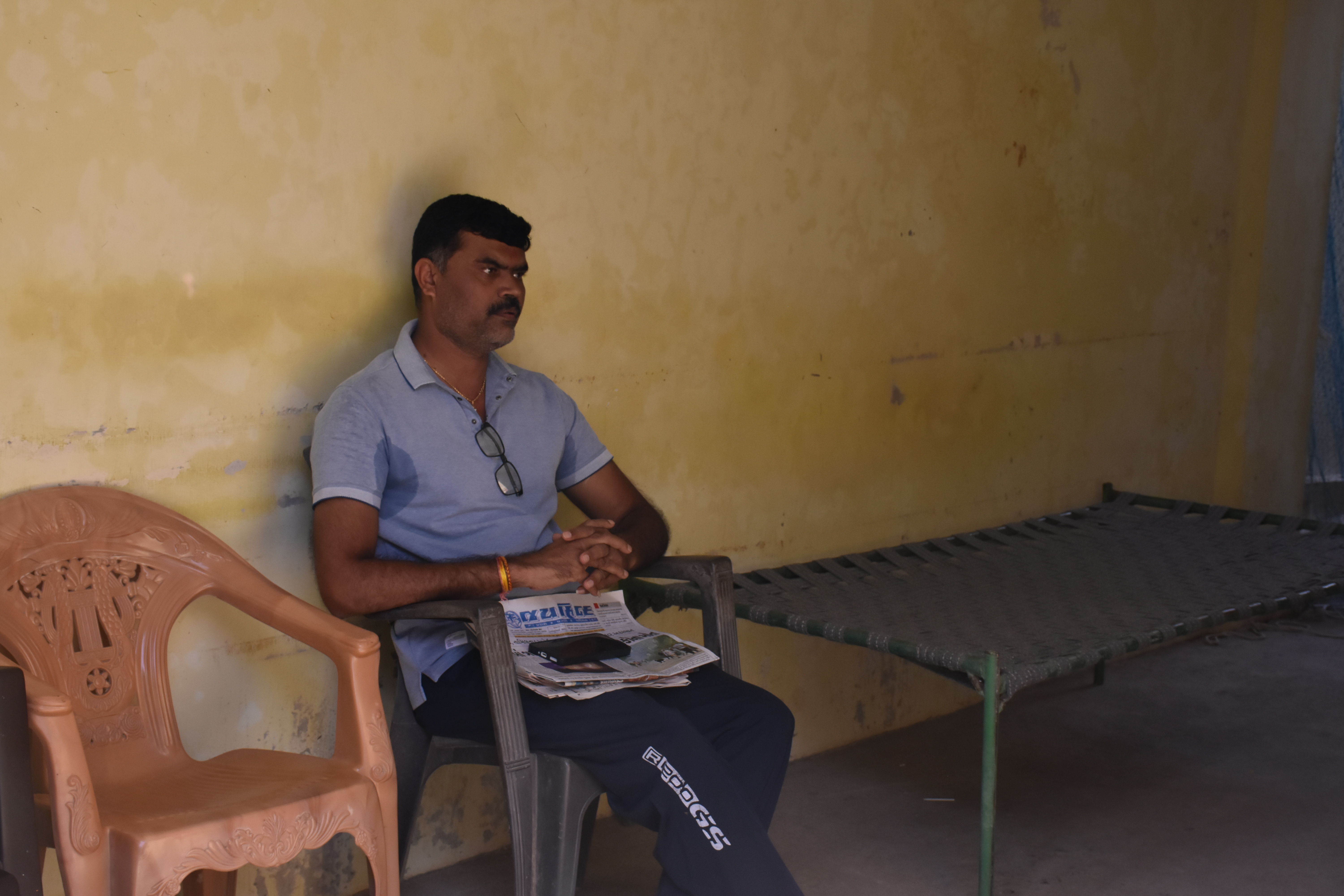
Jayenti Rathore has been part of Gujarat’s fishing industry since he turned 18 in 1995. He was first a fisherman, and now a boat owner. After nearly two decades, in 2018, he was finally able to save Rs 60 lakh ($63,000), the standard cost of building a boat for fishing voyages lasting longer than 20 days.
The Nar Narayan, a Sanskrit term signifying a higher relationship between man and the divine, was built in 2021.

On the day of its detention, the Nar Narayan had already caught almost Rs 6 lakhs ($6,300) worth of fish. The boat was ready to head back to Okha on its 11th day of voyage, compared to the usual 25. But at the time, it was in close proximity to the Sir Creek border, where the boat was chased, encircled, and eventually fired on by the PMSA.
“Through a satellite phone, other fishermen from the sea informed me that a bullet grazed close to the tandel (captain) Mitesh Ramgi’s stomach,” Rathore recalled. “We don’t know if or how he is recovering.”
News of the Nar Narayan’s seizure further spread through Instagram, which is primarily how the word reached the families of the crew members.
“Most boats get captured during the night,” Jayenti Rathore explained. “There is no demarcation in the water. After sunset, if the crew doesn’t find fish, they anchor the boat, and sometimes if the anchor does not lock, it gets swayed overnight while the fishermen are resting.”
Rathore belongs to the Kharva-Kodi community. It is a Hindu seafaring community from Gujarat that has, for generations, built its lives and livelihoods around the state’s western shoreline. Historically landless and reluctant to give in to the service industry over their ancestral practice of seafaring, Kharva-Kodi fishermen, and boat owners like Jayenti Rathore, know no alternative way of life. The sea is their all.
Rathore put it simply: “If we go to the coast, we will eat. If we don’t, we won’t.”
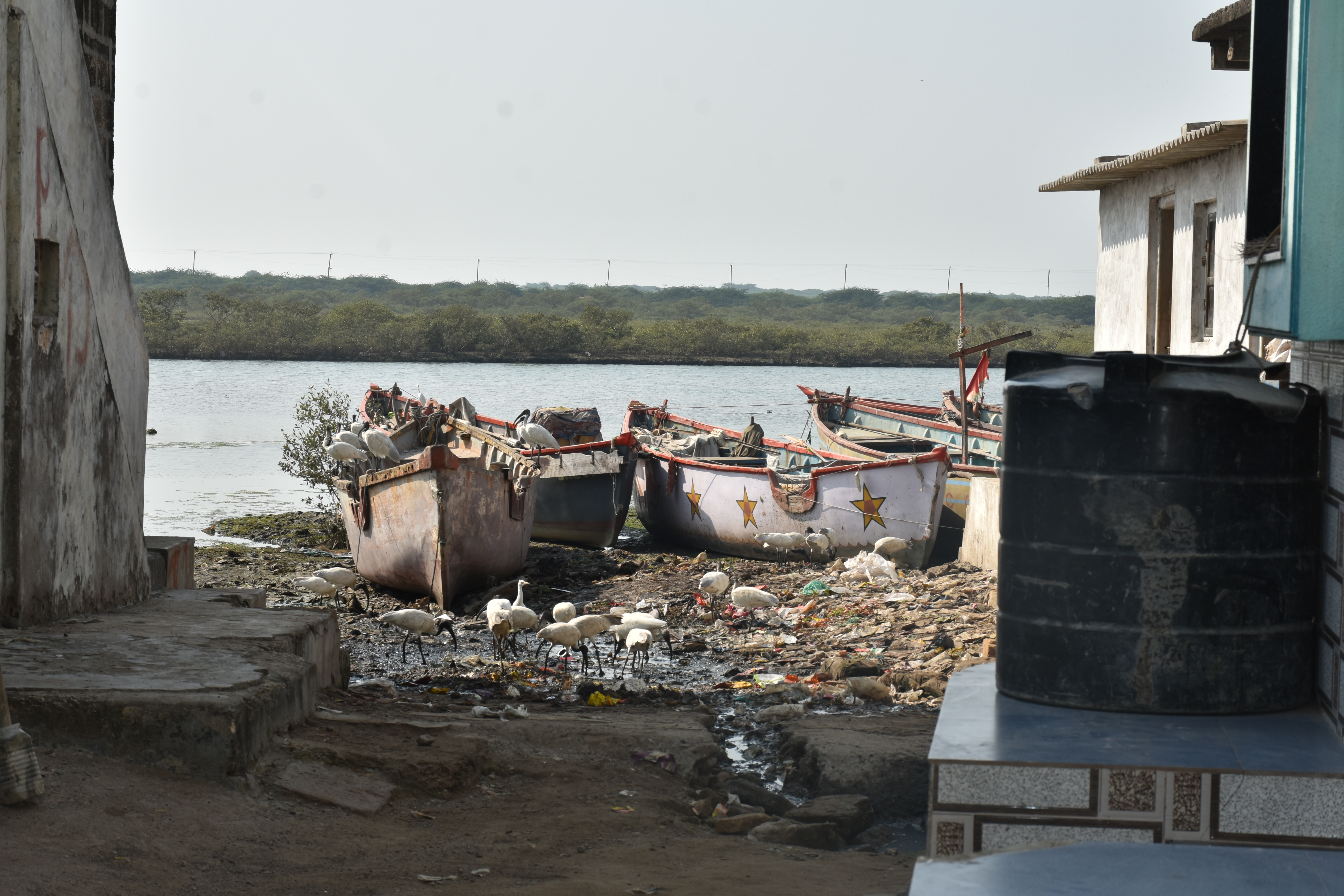
Jayenti Rathore’s story echoes that of countless others on the other side of the Sir Creek maritime border as well, where the mahigeer (indigenous fisherfolk) of Pakistan’s Sindh province have also long taken on voyages in the same sea.
Etched in the Rann of Kutch on the Gujarat side, the land boundary around Sir Creek remains undefined since the Indo-Pak Partition in 1947.
The land boundary dispute extends into the dense marshlands and the Arabian Sea, and both states have long disputed each other’s claims.
Thus, the border in the Sir Creek region remains undemarcated to this day.
Families Separated, Children in Detention
On December 12, 2025, a video of the Indian Coast Guard (ICG) towing a Pakistani fishing boat, Al Wali, in Gujarat, began circulating on Facebook and TikTok in Ibrahim Hyderi, one of the indigenous fishing villages our reporter visited in south Karachi.
The Bogani family’s boat, Al Wali—meaning the divine guardian, and one of the 99 names of Allah—departed from the Ibrahim Hyderi Jetty on December 5. On board were the owner of the boat, Hussain Bogani, a small-scale mahigeer, his younger brother, Shafi, and two underage boys of their family, Habibullah, 15, and Zaheer, 12.
On December 12, they were arrested by the ICG near Sir Creek along with seven other crew members hailing from Ibrahim Hyderi, Lyari, and Malir regions in Karachi.
The Bogani household learned of the crew’s detention first through the Pakistan Fisherfolk Forum, and then through a Facebook video showing the faces of those on board. However, this was accompanied by a Gujarati-language headline that they could not understand. Confusion and concern hit the family hard, especially for the children on board.
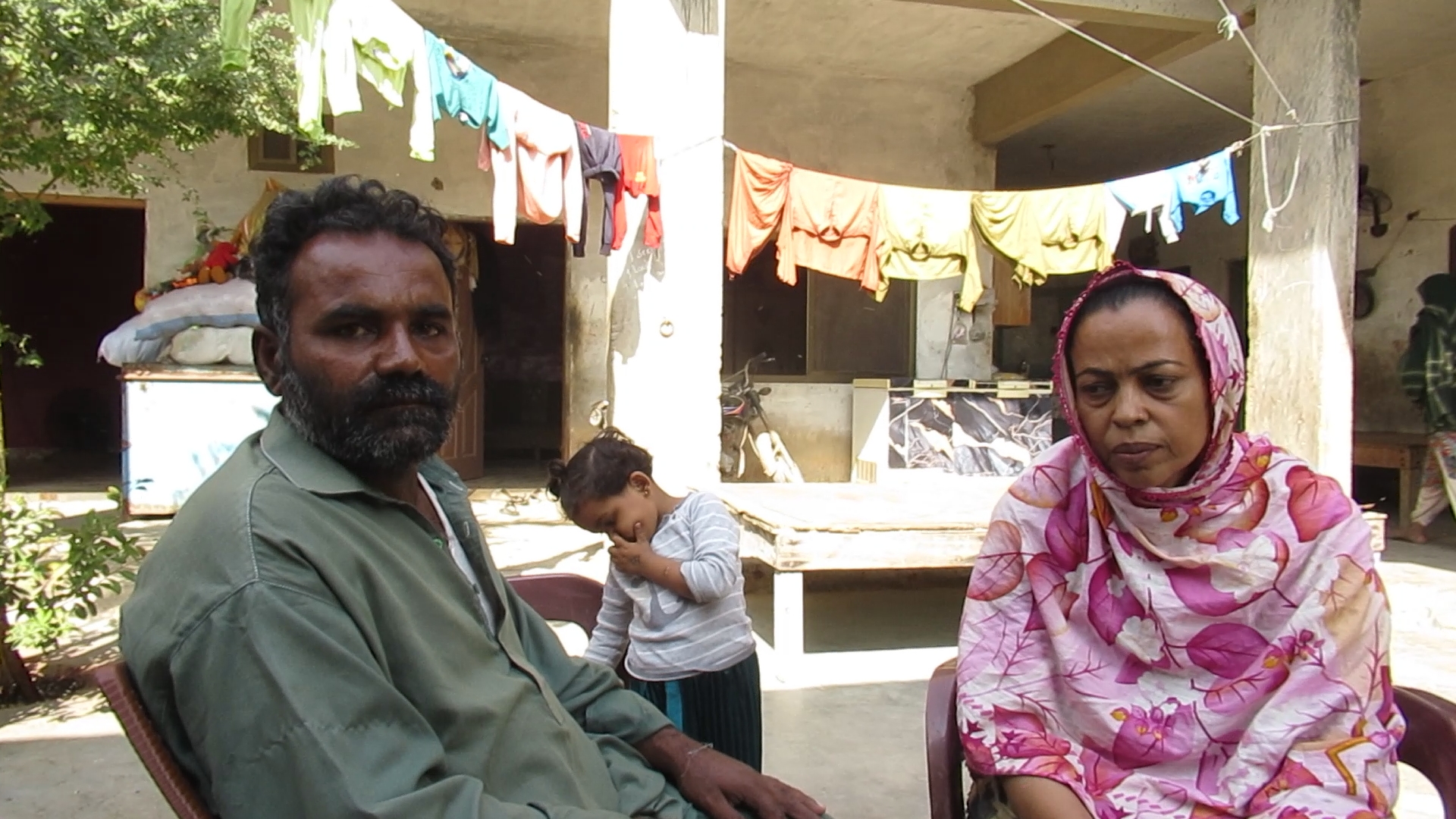
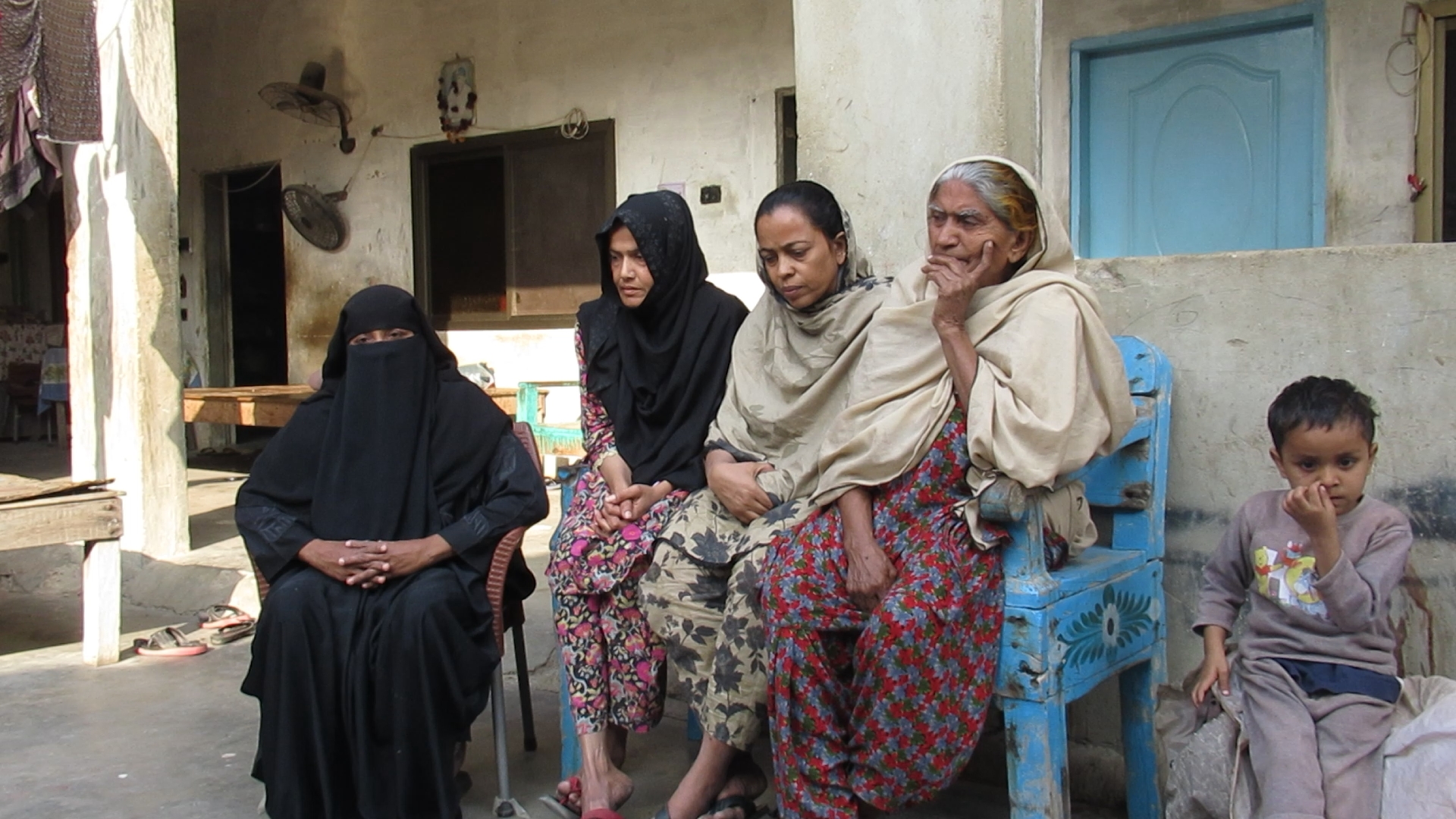
Habibullah’s mother, who wished to remain anonymous, told The Polis Project that the two children had only tagged along with their uncle Hussain because they were excited to see the ocean, especially on a day that marked the end of their exams.
For both of them, it was their first time on a fishing trip.
“When I found out [about the detention], it was like qayamat (doomsday),” she reflected. “I feel my child has now gone, forever. When I would come back from work, he would carry my bags. I keep wondering if he’s had something to eat. In the evenings, I always get hickiyan (hiccups)—I know, it is because he is remembering me.”
Her anxiety has been heightened by Habibullah’s mental disability, which she described as one where he might behave unpredictably, hurl abuses unintentionally, misinterpret social cues, and feel easily agitated.
She then wondered if he could comprehend the weight of his circumstances under political imprisonment at the tender age of 15 and given his disability. As of the publication of this report, no official communication has made its way to Habibullah’s family about his physical or mental well-being.
“Hussain bought this boat after taking a bank loan, and then another loan from the boat’s previous owner,” said Hussain’s brother, Mubarak Bogani, who is also a mahigeer. “This was their first trip, and they did not have a GPS that could clearly tell them where they were.”
While GPS is a common device on industrial fishing boats in Ibrahim Hyderi, many mahigeer families still rely on traditional boats. These boats are often paid for with decades of savings or hefty loans, and are not equipped with modern navigation technologies.
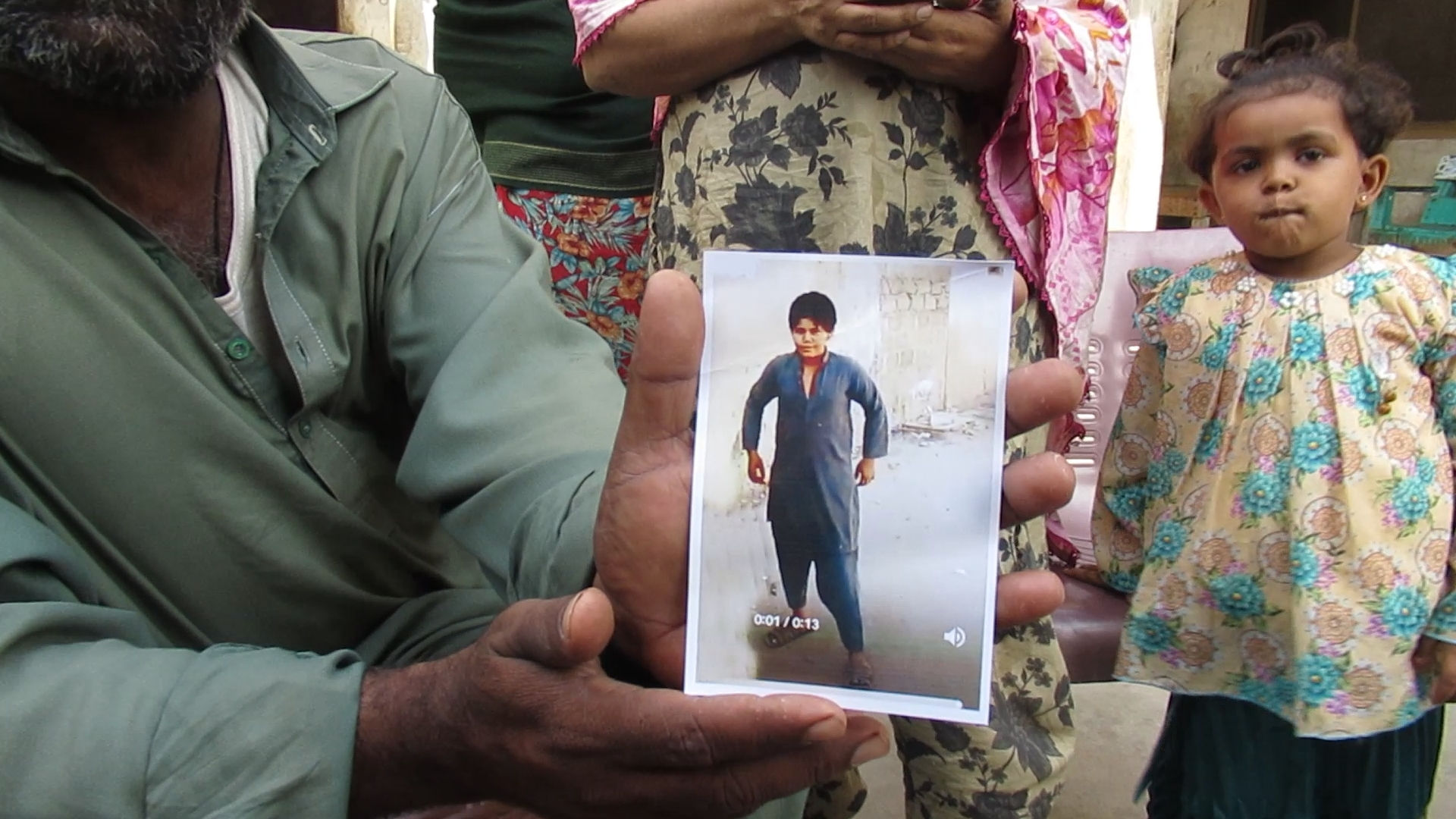
“On our fishing trips, we normally go where the water is eight to nine metres deep,” Mubarak Bogani explained. “At Kajar [Creek] on the Pakistani side, there is a sign of a sunken boat through which we identify that we are on the right side. Because of the fog, they likely couldn’t recognize which side of Kajar they were on.”
“Ever since our family members have left, the stoves in our kitchen have been cold,” said Sultana Bogani, Zaheer’s mother. “Hussain bhai provided for us, and since he has left, we have been forced to borrow our weekly ration from the nearby dukaan (shop).” The debt piles on.
A sense of helplessness prevails as family members reach out to local and non-governmental bodies, such as the Fishermen Cooperative Society (FSC) in Sindh or the several machimaar (fisherfolk) associations in Gujarat, for information. But these organizations don’t know beyond what makes the news and seldom hear directly from federal agencies responsible for diplomatic communication between all stakeholders.

Silence Between States
As a result of persistent resistance by civil society organizations to arbitrary detentions since the early 1990s, the Indo-Pak Joint Judicial Committee came into existence in 2007.
Marking a rare moment of contemporary bilateral cooperation, the committee was tasked with collaboratively investigating the cases of small-scale fisherfolk imprisoned in both India and Pakistan.
Following a series of such investigations, the committee birthed the landmark Agreement on Consular Access in May 2008. The Agreement guarantees that consular access—the formal right of a detained national of one country to be identified, notified to their home state, and granted communication and in-person access to legal representatives from their home country—must be provided to any detainee within three months of their arrest.
As it turns out, in practice, of the 3,908 foreign national prisoners in Indian jails, only about 5% have ever received consular access, according to a 2019 report by the Commonwealth Human Rights Initiative (CHRI).
In Pakistan, over two-thirds of Indian prisoners in Sindh’s jails have never received consular access either, as documented by a Pakistan-based non-profit working for the welfare of prisoners.
An exchange of prisoner lists between India’s Ministry of External Affairs (MEA) and Pakistan’s Ministry of Foreign Affairs (MOFA) does take place biannually. But how this information is relayed to local communities, especially to affected families, lacks a formal framework and subsequent political accountability.
As a result, families often learn of detentions through social media or word of mouth, as has been the case with the Al Wali and Nar Narayan. They remain in anxiety-ridden uncertainty about the whereabouts of their loved ones or if and when they would return, while experiencing immediate financial precarity at the loss of an earning member.
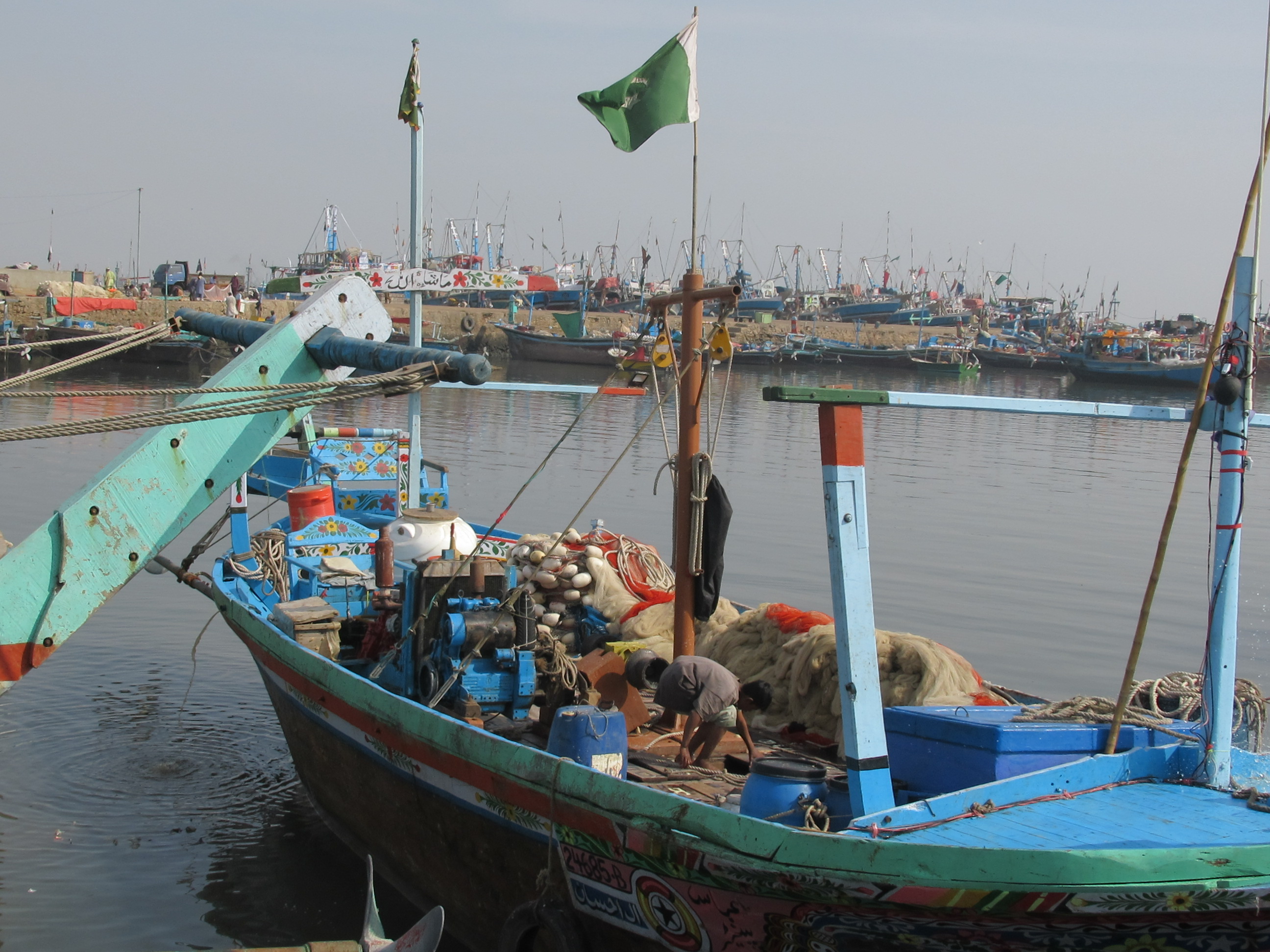
Jatin Desai, former Chief of the Pakistan-India Peoples’ Forum for Peace and Democracy, flagged that while the 2008 agreement sets timelines for granting consular access and releasing detainees, it leaves the timeline for the identity verification process open-ended. “Obviously, prolonged incarceration will emerge as an issue if there is no mandate around how much time a verification process ought to take. It’s a loophole!” he explained.
For families, this extends an already grueling period of waiting.
“My son was shot. Where he was shot, how much he bled, I have no idea,” said Givibai Ramgi, mother of Mitesh Ramgi, the tandel (captain) of the Nar Narayan. “Has he died? I have no idea…”
“We are only semi-literate fishermen,” Jayenti Rathore said. “They don’t see us as ordinary people, or fishermen, only jaasoos (spies). They can also check our IDs, licenses, boat name and number, and whether we have drugs, alcohol, or anything illegal. If they are not finding anything, they should leave us; otherwise, we get recorded as deshdrohis (traitors).”
Sultana from the Bogani family across the border in Ibrahim Hyderi reiterated this in her own context. “They had nothing on them except the expected: ration for two weeks, fishing nets, diesel, a large stock of ice, wooden oars, and two satellite phones,” she said.
As of January 2026, and according to both states’ ministries of external affairs, there remain 33 Pakistani or “believed-to-be-Pakistani” fishermen in Indian custody, and 199 Indian or “believed-to-be-Indian” fishermen in Pakistani custody.
A Disproportionate Weight on Women
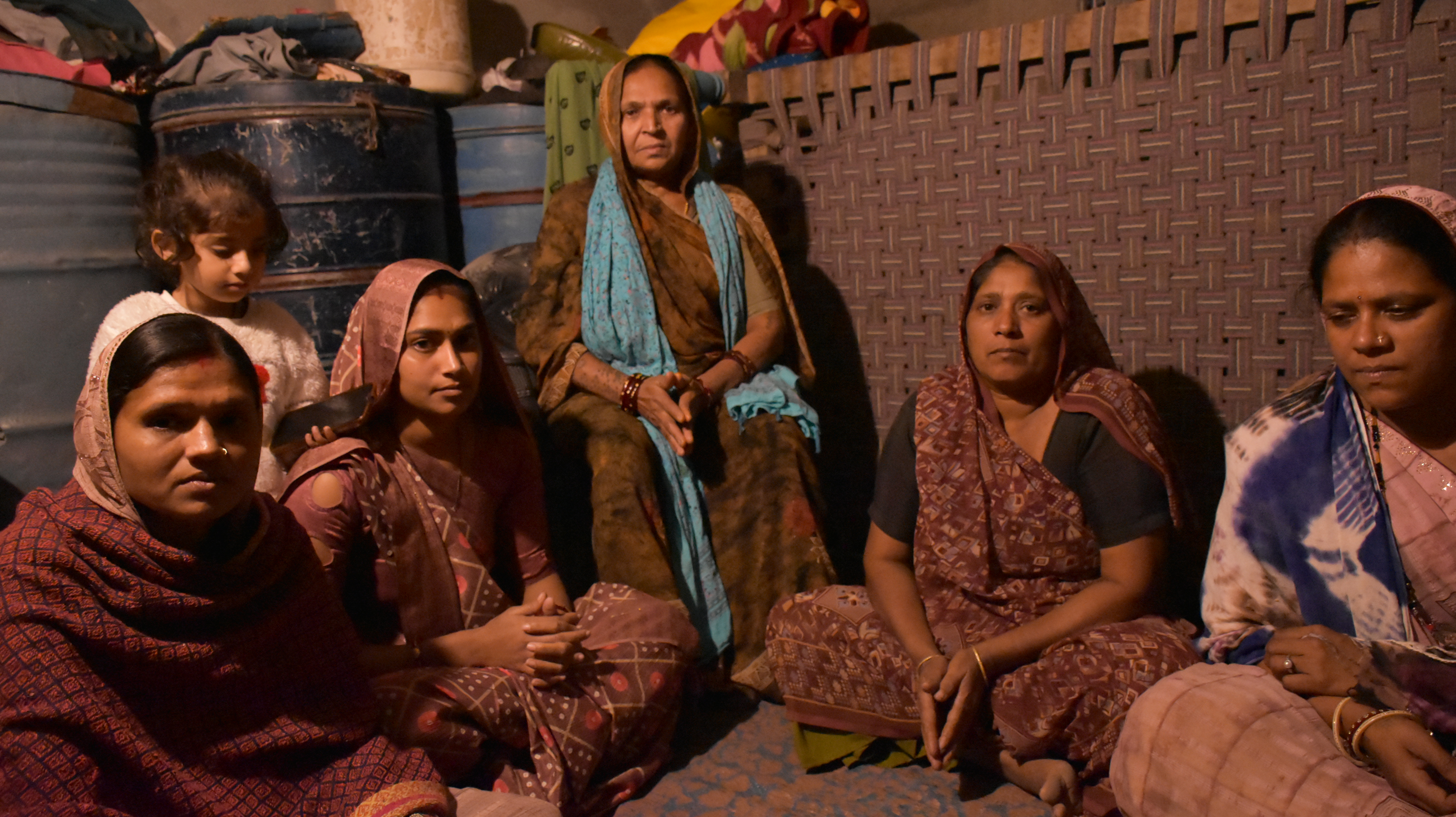
On the Indian side, The Polis Project met with families from Vanakbara, Gujarat, who continue to navigate the absence of their loved ones ever since they were caught on the Nar Narayan in October 2025. What emerged from these interactions is an insight into how such incidents of arrests and disappearances disproportionately affect women.
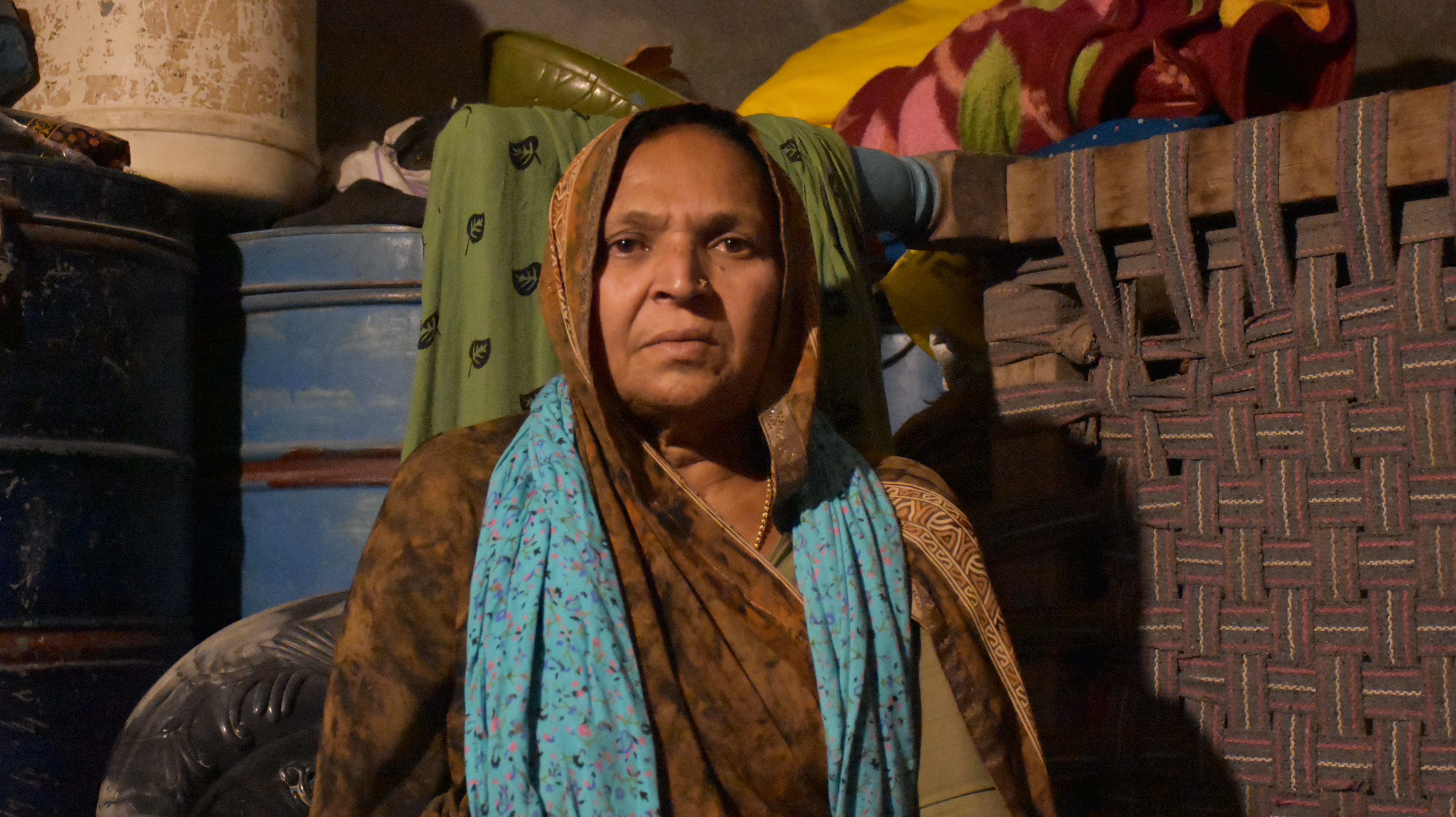
Weary of recurring instances of prolonged incarceration in the community, Dharmishtha Dinesh, sister of Bharat Dilip, one of the crew members on the Nar Narayan, expressed her restlessness.
“Nobody goes to the border side knowingly; this is all a misunderstanding. So why such a harsh punishment for it? A punishment of five years, four years… it has become too common”, said Dharmishtha Dinesh, sister of Bharat Dilip, one of the crew members on the Nar Narayan.
“If they went fishing, there would be roti (bread) in our homes, and we could eat. We have no other business,” she continued, who often relied on Bharat for financial support to raise her five children after losing her husband. As of January 2026, she has stepped into the informal fishing economy that women across the coast of Gujarat have long sustained—drying, sorting, cleaning fish catch for local markets, and net-mending. This work earns her Rs 300 ($3.6) a day.
While further investigating cases of prolonged incarceration due to the Agreement’s failures, The Polis Project found itself amid a group of ten women, including wives, mothers, sisters, and daughters of detained fishermen in another village of Kothara, Gujarat, about 25 kms from Vanakbara.

“I don’t know how he was taken, where he went, or how he is today,” said Chavda Ratan Ukarda, reminiscing about her missing son. “I don’t get any letters, don’t know where to send mine, and it has been seven years. Between 2020 and 2025, I went to Gandhinagar, Una, Ahmedabad, and even Delhi with written complaints, but to this day I have not heard anything.”
Her son, Bharat Chawda, was caught in September 2019 at the age of 25. He had been the sole earner of the household since his father’s death when he was six. In his absence, Ratan turned to daily-wage labor at construction sites around Kothara, earning about Rs 300 ($3.6) a day to sustain the family.
These drastic shifts often occur alongside existing vulnerabilities within the household, as happened in the case of Bamaniya Dhani Kanji, mother of Bamaniya Kapil Kanji, who was only 22 when he was detained. Dhani’s daughter is blind and requires medical care; to provide for her medicines, Dhani works as a daily-wage laborer at construction sites. Her husband cannot work because of age-related ailments.
Besides the loss of income, the detention of fishermen disrupts an entire network of care built around a primary breadwinner in these families. There is a dire need to recognize the ruptures within interpersonal dependence that the fishermen’s absence creates within families.

Vanita Bamaniya’s husband, Deepak Jeewan Bamaniya, 30, had been fishing for 15 years and had been caught three times. After the first arrest in 2013, she had access to a state allowance of Rs 9000 ($94) per month under the chief minister’s relief fund in Gujarat. However, the policy mandates that if a fisherman is detained more than once, their families are no longer entitled to the allowance. This emerges as an example of government policy actively punishing the families of repeat victims.
Deepak was last caught in February 2020. One of the times he returned, he did so with skin diseases that took seven months to heal. In 2021, Vanita turned to daily-wage labor to sustain her family as the sole provider for her three children, aged five, 10, and 12.

On the other side of the border, The Polis Project reporter visited the village of Tayyab Mallah in the Bhugra Memon area of Badin, Sindh.
Tayyab Mallah lies only three kilometers from the Indo-Pak border. There, Mehboob Ali, a mahigeer, used to fish in the nearby lakes of Pateji and Narreri, catching mudcrabs to support himself and his family of six.
In September 2023, Mehboob had set out to pick mudcrabs his usual way: without a boat, swimming through the Left Bank Outfall Drain (LBOD), his steel rod ready to pierce the lake-bed and hook mudcrabs.
When he did not return the following morning, his family spent four days searching, until the Pakistan Rangers finally informed them that he had accidentally crossed into Indian territory and had been detained by the Indian Navy.
Mehboob had been diagnosed with acute schizophrenia. His medical reports, accessed by the reporters, outlined the diagnosis, corresponding medications, and the severity of his illness. These reports have long been faxed to the Indian Navy and Coast Guard, with no response yet. Despite the schizophrenia, Mehboob was his family’s primary breadwinner as the eldest son.

In Mehboob’s absence, the burden of sustaining the family has largely fallen on his aging mother, Sindh Bai, 68. His father experienced a rapid deterioration in his own mental health following the detention, and is no longer able to work.
“I used to sew to pass time, but now I do it to earn a living. I am old now; I can only make one joda (piece of clothing) in a day. My eyesight is weak; I get tired fast. I often show Mehboob’s father my craftwork to distract him from his grief,” Sindh Bai shared.
Sindh Bai’s case echoes a similar sequence of events that occurs across households in coastal Gujarat and other fishing settlements in Sindh: fishermen, the financial backbones of their households, are detained, and women are left to shoulder both the emotional vacuum and the economic collapse that follows.
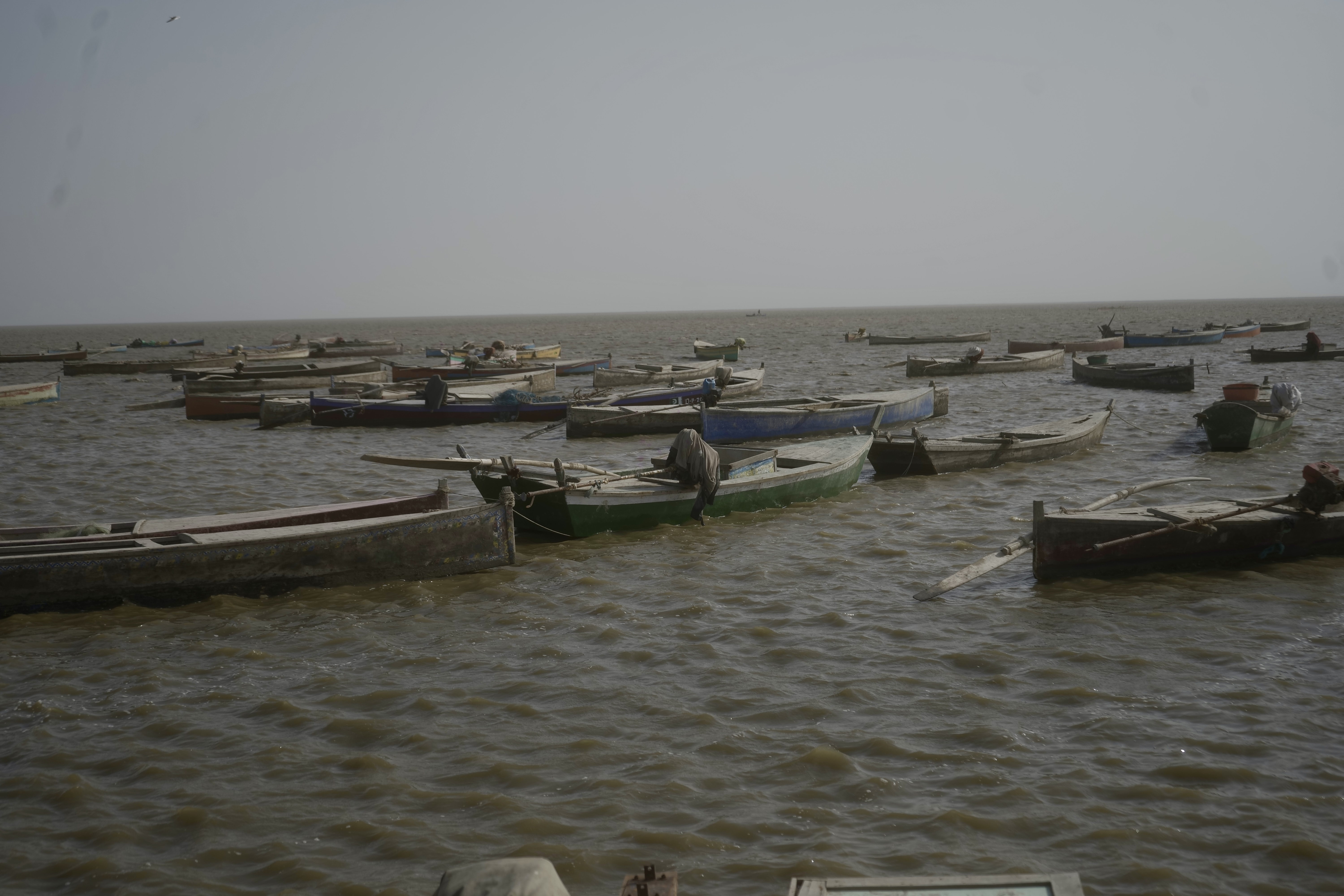
In Zero Point, Badin, a different reality emerged.
Approximately 50 kms away from Bhugra Memon, Zero Point lies at the edge of Badin’s coastal belt. Locally known as Zero Ghungroo, it is a fishing village settled almost entirely by migrants from interior Sindh.
The fishermen from Zero Ghungroo fish primarily near the Harami Nala, one of the two main water channels that feed the disputed Sir Creek. Due to this proximity, there are over 20 active cases of detained fishermen from this village.
Zero Ghungroo is an exceptionally conservative region, wherein women are not permitted to work outside the home by the patriarchal members of their family. Families find themselves trapped between the loss of livelihood, the acute need for alternatives, and the social norms that restrict women’s participation in paid labor. “We may be poor, but we have gairat (honor),” one fisherman from the community put it. “We won’t let our women work.”
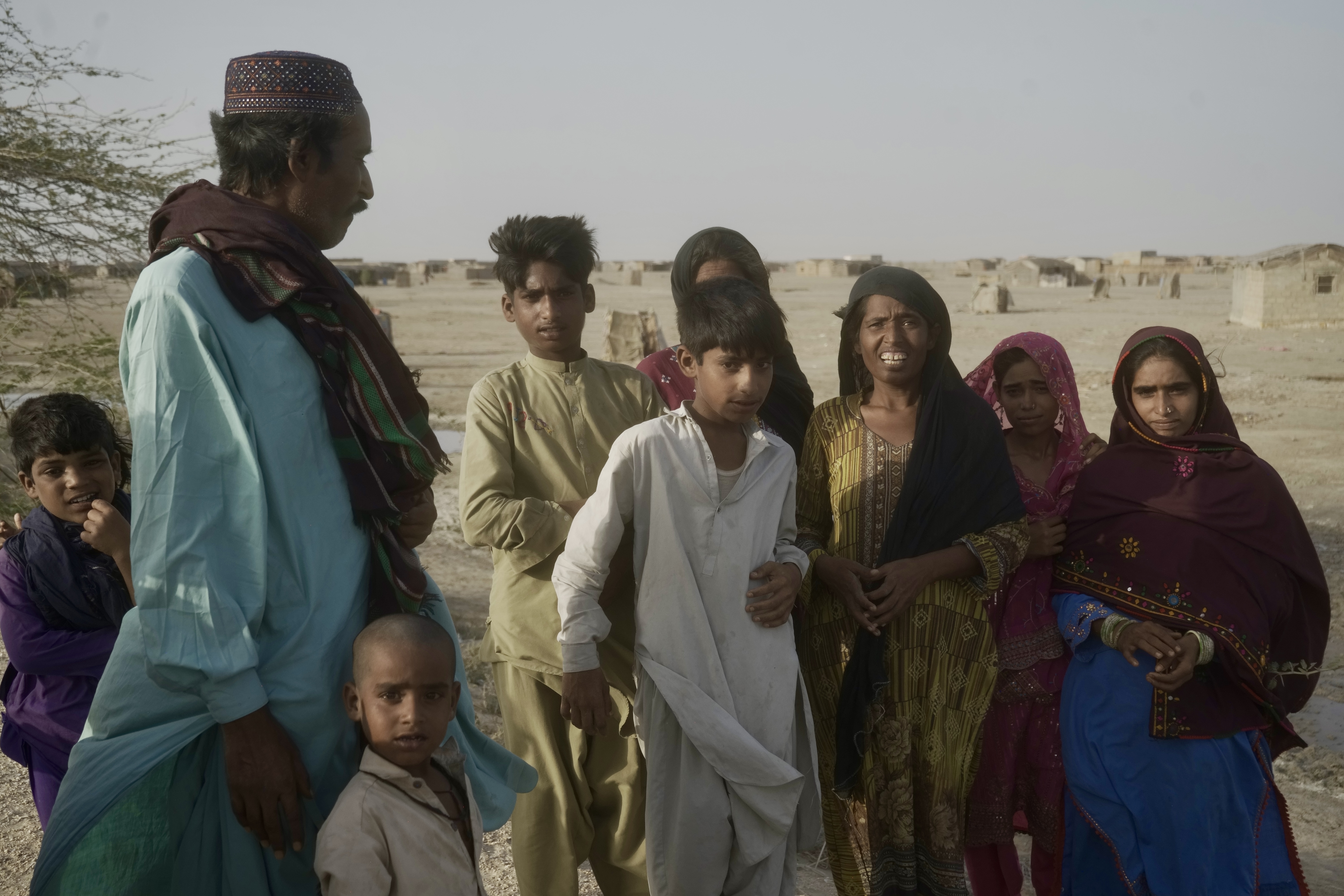
Speaking to Melbhi, the wife of Sarwar, a detained fisherman from the village, The Polis Project learned that the pre-existing vacuum of work opportunities for women is exacerbated when their male counterparts are detained. Melbhi has eight children and now lives with her aging father. In the absence of work opportunities and financial support, Melbhi has been forced to resort to begging. “How else do I feed my children? No one from the government has ever come down here to help us. What other choice do I have?” Melbhi asks.
Her questions feel timeless, echoing across Vanakbara, Kothara, Ibrahim Hyderi, and Badin, where the pleas of women have repeatedly fallen on deaf ears.
Answers to them may, however, lie beyond the fragile legal frameworks that shape the fishing communities’ experiences.
Dying Coasts Push Fisherfolk Towards Sir Creek
“30 years ago, we would only go [on fishing trips] for a day. Today, 22 days feel minimal. Why? Because there is not enough catch,” said Deepak Lodhari, boat owner and Joint Secretary of Porbandar Machimaar Boat Association (PMBA). It is among the many independent fishermen collectives in Gujarat that resist the detention of fishermen.

The state of Gujarat has India’s longest coastline, yielding one of the highest contributions to the country’s marine fish landings. However, along its western stretch, the Kharva and Kodi communities of Veraval, Kutch, Jamnagar, and Porbandar have witnessed a sharp degradation in coastal and marine waters due to rapid industrialization over the last three decades. This includes factory settlements belonging to conglomerates such as the Tata Group, Adani Group, and Ambuja Cements, which together occupy and shape a significant stretch of Gujarat’s coastline.

“The only outlet for all effluent waste from industrial factories is the sea. No wonder the Gulf of Kutch is known as the armpit of the Arabian Sea,” a scientist from the Central Marine Fisheries Research Institute (CMFRI) in Gujarat stated.
The state of Gujarat reports 4,000 million liters per day of municipal sewage alone, of which a substantial fraction remains inadequately treated before it enters rivers, creeks, and eventually the ocean.
“In the early 2010s, when water pollution began emerging as a landmark issue for us, we began venturing further into the sea because the catch was better, but Sir Creek came to be a loss-inducing reality for us. With every boat that gets caught, a boat owner goes back by 7-8 years. We could neither afford living off the coast near Porbandar, nor could we afford going where the catch was worthwhile,” Lodhari added.
With its dense mangroves, nutrient-rich tidal marshes, and sparse human habitation, Sir Creek remains one of the most productive fishing zones in the region, largely untouched by the ecological crisis unfolding along more industrialized and urbanized coastlines. But fishing near this disputed region often means choosing between a viable catch and the possibility of incarceration. “It’s like picking between two losses, one worse than the other,” Lodhari said.
Likewise, the husbands and sons of the women in Kothara and the Bogani family in Ibrahim Hyderi did not drift into contested waters due to carelessness. They drifted there because there was nothing left closer to home.
“The scale of unchecked waste disposal in Karachi is mammoth. Our city generates an average of 500 million gallons of untreated sewage and industrial waste daily,” Masood Lohar, founder of the Clifton Urban Forest, a mangrove restoration initiative in Karachi, explained. Fish species in the Arabian Sea, then, have only two choices: remain where they are and die, or move deeper into the sea, inevitably toward the Sir Creek territory.
In Sindh, the coastal waters of Karachi have historically been breeding grounds for fish such as Dhandiya, shrimp, and mudcrab, as well as coral reefs, sustaining the livelihoods of mahigeer communities. Composed of creeks and lagoons, the coast of Karachi was once lined with dense mangrove forests that provided an ideal environment for fish to breed.
“Mangroves sequester five times more carbon dioxide than rainforests,” Masood elaborated. “Such an environment is ideal for fish to breed and reproduce. If there are no mangroves, where else will such an ecosystem survive?” The impact of this deforestation, often carried out to make way for industrial activity, extends beyond the land’s edge and reverberates throughout the ocean.
“Our predecessors tell us how even a species as rare as the dolphin used to visit the Karachi Harbor before, around 40 years ago,” reflected Shoaib Taha, founder of the Pakistan Youth Fisherfolk Forum, a community organization. “Now, you cannot find it even if you go over 10 to 15 nautical miles into the sea. Instead, you can see dead fish floating freely in the harbor’s waters.”

Industrial activities in Korangi include tanneries, textile factories, pharmaceutical plants, saltworks, oil refineries, cement factories, and real estate construction activity. Continued expansion of industrial projects like the Korangi Thermal Power Station has led to tonnes of untreated industrial waste, often laden with large quantities of sulfuric acid, being deposited into the Arabian Sea.

Unless the responsibility for these detentions shifts from the fisherfolk to the state(s), such incidents will continue to be treated as ‘navigational accidents’ rather than as a result of a collapsing environment.
The fishermen in Landhi jail, Karachi, and the dead fish floating outside Jayenti Rathore’s home are products of the same series of failures.
Whether it’s the unkept promises of the Agreement on Consular Access, an emerging ecocide on the coasts that is an active enabler of arrests, or the lack of political will in defining a crucial but long-forgotten maritime border, the outcome remains the same: fishermen pushed farther into uncertain waters for livelihood, undertrial incarceration of fishermen being legitimized over time, and families left to bear a punitive brunt with lackadaisical state intervention.
A long-drawn border dispute such as the Sir Creek has long been treated as a footnote in the shared history of India and Pakistan, devoid of state-level urgency. After all, as Majeed Motani, a long-standing Pakistani activist from Ibrahim Hyderi, often reiterates, “Jab India-Pakistan ka Kashmir se nazla girta hai, toh woh Sir Creek par aakar nikalta hai” (“The storms that gather because of India and Pakistan locking horns over Kashmir often break over Sir Creek”).

In Sir Creek, India and Pakistan’s Invisible Border Forces Fisherfolk Into Indefinite Imprisonment

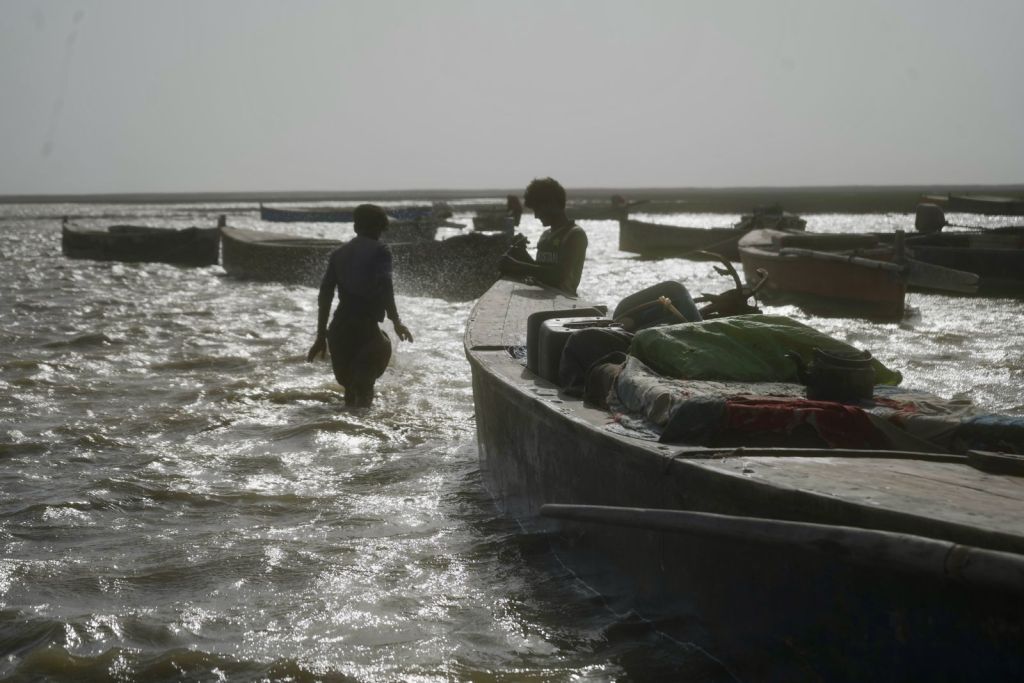
Two fishermen from the Mallah community of southern most Sindh parking their boat on the Zero point jetty, in Ahmed Rajo, Badin district.
On the morning of November 6, 2025, a fisherman from Gujarat’s Madhwar, a fishing settlement on the southwestern coast of the state, received a series of phone calls informing him that his boat had been seized.
The boat, Nar Narayan, had departed from Okha, one of Gujarat’s largest fishing harbors, and its owner, Jayenti Namji Rathore, was expecting the crew to be on their voyage back.
The Nar Narayan was intercepted by the Pakistan Maritime Security Agency (PMSA) near Jakhau on the shores of the Arabian Sea, for allegedly crossing the disputed maritime border between Gujarat and Pakistan’s Sindh province. This area is known as the Sir Creek (pronounced: seer creek; “sir” is the English, imperial address of the name).
All seven crew members on board—hailing from four fishing settlements in Gujarat and one in Satpati in Maharashtra—have been detained in Sindh ever since.
Jayenti Rathore has been part of Gujarat’s fishing industry since he turned 18 in 1995. He was first a fisherman, and now a boat owner. After nearly two decades, in 2018, he was finally able to save Rs 60 lakh ($63,000), the standard cost of building a boat for fishing voyages lasting longer than 20 days.
The Nar Narayan, a Sanskrit term signifying a higher relationship between man and the divine, was built in 2021.
On the day of its detention, the Nar Narayan had already caught almost Rs 6 lakhs ($6,300) worth of fish. The boat was ready to head back to Okha on its 11th day of voyage, compared to the usual 25. But at the time, it was in close proximity to the Sir Creek border, where the boat was chased, encircled, and eventually fired on by the PMSA.
“Through a satellite phone, other fishermen from the sea informed me that a bullet grazed close to the tandel (captain) Mitesh Ramgi’s stomach,” Rathore recalled. “We don’t know if or how he is recovering.”
News of the Nar Narayan’s seizure further spread through Instagram, which is primarily how the word reached the families of the crew members.
“Most boats get captured during the night,” Jayenti Rathore explained. “There is no demarcation in the water. After sunset, if the crew doesn’t find fish, they anchor the boat, and sometimes if the anchor does not lock, it gets swayed overnight while the fishermen are resting.”
Rathore belongs to the Kharva-Kodi community. It is a Hindu seafaring community from Gujarat that has, for generations, built its lives and livelihoods around the state’s western shoreline. Historically landless and reluctant to give in to the service industry over their ancestral practice of seafaring, Kharva-Kodi fishermen, and boat owners like Jayenti Rathore, know no alternative way of life. The sea is their all.
Rathore put it simply: “If we go to the coast, we will eat. If we don’t, we won’t.”
Jayenti Rathore’s story echoes that of countless others on the other side of the Sir Creek maritime border as well, where the mahigeer (indigenous fisherfolk) of Pakistan’s Sindh province have also long taken on voyages in the same sea.
Etched in the Rann of Kutch on the Gujarat side, the land boundary around Sir Creek remains undefined since the Indo-Pak Partition in 1947.
The land boundary dispute extends into the dense marshlands and the Arabian Sea, and both states have long disputed each other’s claims.
Thus, the border in the Sir Creek region remains undemarcated to this day.
Families Separated, Children in Detention
On December 12, 2025, a video of the Indian Coast Guard (ICG) towing a Pakistani fishing boat, Al Wali, in Gujarat, began circulating on Facebook and TikTok in Ibrahim Hyderi, one of the indigenous fishing villages our reporter visited in south Karachi.
The Bogani family’s boat, Al Wali—meaning the divine guardian, and one of the 99 names of Allah—departed from the Ibrahim Hyderi Jetty on December 5. On board were the owner of the boat, Hussain Bogani, a small-scale mahigeer, his younger brother, Shafi, and two underage boys of their family, Habibullah, 15, and Zaheer, 12.
On December 12, they were arrested by the ICG near Sir Creek along with seven other crew members hailing from Ibrahim Hyderi, Lyari, and Malir regions in Karachi.
The Bogani household learned of the crew’s detention first through the Pakistan Fisherfolk Forum, and then through a Facebook video showing the faces of those on board. However, this was accompanied by a Gujarati-language headline that they could not understand. Confusion and concern hit the family hard, especially for the children on board.
Habibullah’s mother, who wished to remain anonymous, told The Polis Project that the two children had only tagged along with their uncle Hussain because they were excited to see the ocean, especially on a day that marked the end of their exams.
For both of them, it was their first time on a fishing trip.
“When I found out [about the detention], it was like qayamat (doomsday),” she reflected. “I feel my child has now gone, forever. When I would come back from work, he would carry my bags. I keep wondering if he’s had something to eat. In the evenings, I always get hickiyan (hiccups)—I know, it is because he is remembering me.”
Her anxiety has been heightened by Habibullah’s mental disability, which she described as one where he might behave unpredictably, hurl abuses unintentionally, misinterpret social cues, and feel easily agitated.
She then wondered if he could comprehend the weight of his circumstances under political imprisonment at the tender age of 15 and given his disability. As of the publication of this report, no official communication has made its way to Habibullah’s family about his physical or mental well-being.
“Hussain bought this boat after taking a bank loan, and then another loan from the boat’s previous owner,” said Hussain’s brother, Mubarak Bogani, who is also a mahigeer. “This was their first trip, and they did not have a GPS that could clearly tell them where they were.”
While GPS is a common device on industrial fishing boats in Ibrahim Hyderi, many mahigeer families still rely on traditional boats. These boats are often paid for with decades of savings or hefty loans, and are not equipped with modern navigation technologies.
“On our fishing trips, we normally go where the water is eight to nine metres deep,” Mubarak Bogani explained. “At Kajar [Creek] on the Pakistani side, there is a sign of a sunken boat through which we identify that we are on the right side. Because of the fog, they likely couldn’t recognize which side of Kajar they were on.”
“Ever since our family members have left, the stoves in our kitchen have been cold,” said Sultana Bogani, Zaheer’s mother. “Hussain bhai provided for us, and since he has left, we have been forced to borrow our weekly ration from the nearby dukaan (shop).” The debt piles on.
A sense of helplessness prevails as family members reach out to local and non-governmental bodies, such as the Fishermen Cooperative Society (FSC) in Sindh or the several machimaar (fisherfolk) associations in Gujarat, for information. But these organizations don’t know beyond what makes the news and seldom hear directly from federal agencies responsible for diplomatic communication between all stakeholders.
Silence Between States
As a result of persistent resistance by civil society organizations to arbitrary detentions since the early 1990s, the Indo-Pak Joint Judicial Committee came into existence in 2007.
Marking a rare moment of contemporary bilateral cooperation, the committee was tasked with collaboratively investigating the cases of small-scale fisherfolk imprisoned in both India and Pakistan.
Following a series of such investigations, the committee birthed the landmark Agreement on Consular Access in May 2008. The Agreement guarantees that consular access—the formal right of a detained national of one country to be identified, notified to their home state, and granted communication and in-person access to legal representatives from their home country—must be provided to any detainee within three months of their arrest.
As it turns out, in practice, of the 3,908 foreign national prisoners in Indian jails, only about 5% have ever received consular access, according to a 2019 report by the Commonwealth Human Rights Initiative (CHRI).
In Pakistan, over two-thirds of Indian prisoners in Sindh’s jails have never received consular access either, as documented by a Pakistan-based non-profit working for the welfare of prisoners.
An exchange of prisoner lists between India’s Ministry of External Affairs (MEA) and Pakistan’s Ministry of Foreign Affairs (MOFA) does take place biannually. But how this information is relayed to local communities, especially to affected families, lacks a formal framework and subsequent political accountability.
As a result, families often learn of detentions through social media or word of mouth, as has been the case with the Al Wali and Nar Narayan. They remain in anxiety-ridden uncertainty about the whereabouts of their loved ones or if and when they would return, while experiencing immediate financial precarity at the loss of an earning member.
Jatin Desai, former Chief of the Pakistan-India Peoples’ Forum for Peace and Democracy, flagged that while the 2008 agreement sets timelines for granting consular access and releasing detainees, it leaves the timeline for the identity verification process open-ended. “Obviously, prolonged incarceration will emerge as an issue if there is no mandate around how much time a verification process ought to take. It’s a loophole!” he explained.
For families, this extends an already grueling period of waiting.
“My son was shot. Where he was shot, how much he bled, I have no idea,” said Givibai Ramgi, mother of Mitesh Ramgi, the tandel (captain) of the Nar Narayan. “Has he died? I have no idea…”
“We are only semi-literate fishermen,” Jayenti Rathore said. “They don’t see us as ordinary people, or fishermen, only jaasoos (spies). They can also check our IDs, licenses, boat name and number, and whether we have drugs, alcohol, or anything illegal. If they are not finding anything, they should leave us; otherwise, we get recorded as deshdrohis (traitors).”
Sultana from the Bogani family across the border in Ibrahim Hyderi reiterated this in her own context. “They had nothing on them except the expected: ration for two weeks, fishing nets, diesel, a large stock of ice, wooden oars, and two satellite phones,” she said.
As of January 2026, and according to both states’ ministries of external affairs, there remain 33 Pakistani or “believed-to-be-Pakistani” fishermen in Indian custody, and 199 Indian or “believed-to-be-Indian” fishermen in Pakistani custody.
A Disproportionate Weight on Women
On the Indian side, The Polis Project met with families from Vanakbara, Gujarat, who continue to navigate the absence of their loved ones ever since they were caught on the Nar Narayan in October 2025. What emerged from these interactions is an insight into how such incidents of arrests and disappearances disproportionately affect women.
Weary of recurring instances of prolonged incarceration in the community, Dharmishtha Dinesh, sister of Bharat Dilip, one of the crew members on the Nar Narayan, expressed her restlessness.
“Nobody goes to the border side knowingly; this is all a misunderstanding. So why such a harsh punishment for it? A punishment of five years, four years… it has become too common”, said Dharmishtha Dinesh, sister of Bharat Dilip, one of the crew members on the Nar Narayan.
“If they went fishing, there would be roti (bread) in our homes, and we could eat. We have no other business,” she continued, who often relied on Bharat for financial support to raise her five children after losing her husband. As of January 2026, she has stepped into the informal fishing economy that women across the coast of Gujarat have long sustained—drying, sorting, cleaning fish catch for local markets, and net-mending. This work earns her Rs 300 ($3.6) a day.
While further investigating cases of prolonged incarceration due to the Agreement’s failures, The Polis Project found itself amid a group of ten women, including wives, mothers, sisters, and daughters of detained fishermen in another village of Kothara, Gujarat, about 25 kms from Vanakbara.
“I don’t know how he was taken, where he went, or how he is today,” said Chavda Ratan Ukarda, reminiscing about her missing son. “I don’t get any letters, don’t know where to send mine, and it has been seven years. Between 2020 and 2025, I went to Gandhinagar, Una, Ahmedabad, and even Delhi with written complaints, but to this day I have not heard anything.”
Her son, Bharat Chawda, was caught in September 2019 at the age of 25. He had been the sole earner of the household since his father’s death when he was six. In his absence, Ratan turned to daily-wage labor at construction sites around Kothara, earning about Rs 300 ($3.6) a day to sustain the family.
These drastic shifts often occur alongside existing vulnerabilities within the household, as happened in the case of Bamaniya Dhani Kanji, mother of Bamaniya Kapil Kanji, who was only 22 when he was detained. Dhani’s daughter is blind and requires medical care; to provide for her medicines, Dhani works as a daily-wage laborer at construction sites. Her husband cannot work because of age-related ailments.
Besides the loss of income, the detention of fishermen disrupts an entire network of care built around a primary breadwinner in these families. There is a dire need to recognize the ruptures within interpersonal dependence that the fishermen’s absence creates within families.
Vanita Bamaniya’s husband, Deepak Jeewan Bamaniya, 30, had been fishing for 15 years and had been caught three times. After the first arrest in 2013, she had access to a state allowance of Rs 9000 ($94) per month under the chief minister’s relief fund in Gujarat. However, the policy mandates that if a fisherman is detained more than once, their families are no longer entitled to the allowance. This emerges as an example of government policy actively punishing the families of repeat victims.
Deepak was last caught in February 2020. One of the times he returned, he did so with skin diseases that took seven months to heal. In 2021, Vanita turned to daily-wage labor to sustain her family as the sole provider for her three children, aged five, 10, and 12.
On the other side of the border, The Polis Project reporter visited the village of Tayyab Mallah in the Bhugra Memon area of Badin, Sindh.
Tayyab Mallah lies only three kilometers from the Indo-Pak border. There, Mehboob Ali, a mahigeer, used to fish in the nearby lakes of Pateji and Narreri, catching mudcrabs to support himself and his family of six.
In September 2023, Mehboob had set out to pick mudcrabs his usual way: without a boat, swimming through the Left Bank Outfall Drain (LBOD), his steel rod ready to pierce the lake-bed and hook mudcrabs.
When he did not return the following morning, his family spent four days searching, until the Pakistan Rangers finally informed them that he had accidentally crossed into Indian territory and had been detained by the Indian Navy.
Mehboob had been diagnosed with acute schizophrenia. His medical reports, accessed by the reporters, outlined the diagnosis, corresponding medications, and the severity of his illness. These reports have long been faxed to the Indian Navy and Coast Guard, with no response yet. Despite the schizophrenia, Mehboob was his family’s primary breadwinner as the eldest son.
In Mehboob’s absence, the burden of sustaining the family has largely fallen on his aging mother, Sindh Bai, 68. His father experienced a rapid deterioration in his own mental health following the detention, and is no longer able to work.
“I used to sew to pass time, but now I do it to earn a living. I am old now; I can only make one joda (piece of clothing) in a day. My eyesight is weak; I get tired fast. I often show Mehboob’s father my craftwork to distract him from his grief,” Sindh Bai shared.
Sindh Bai’s case echoes a similar sequence of events that occurs across households in coastal Gujarat and other fishing settlements in Sindh: fishermen, the financial backbones of their households, are detained, and women are left to shoulder both the emotional vacuum and the economic collapse that follows.
In Zero Point, Badin, a different reality emerged.
Approximately 50 kms away from Bhugra Memon, Zero Point lies at the edge of Badin’s coastal belt. Locally known as Zero Ghungroo, it is a fishing village settled almost entirely by migrants from interior Sindh.
The fishermen from Zero Ghungroo fish primarily near the Harami Nala, one of the two main water channels that feed the disputed Sir Creek. Due to this proximity, there are over 20 active cases of detained fishermen from this village.
Zero Ghungroo is an exceptionally conservative region, wherein women are not permitted to work outside the home by the patriarchal members of their family. Families find themselves trapped between the loss of livelihood, the acute need for alternatives, and the social norms that restrict women’s participation in paid labor. “We may be poor, but we have gairat (honor),” one fisherman from the community put it. “We won’t let our women work.”
Speaking to Melbhi, the wife of Sarwar, a detained fisherman from the village, The Polis Project learned that the pre-existing vacuum of work opportunities for women is exacerbated when their male counterparts are detained. Melbhi has eight children and now lives with her aging father. In the absence of work opportunities and financial support, Melbhi has been forced to resort to begging. “How else do I feed my children? No one from the government has ever come down here to help us. What other choice do I have?” Melbhi asks.
Her questions feel timeless, echoing across Vanakbara, Kothara, Ibrahim Hyderi, and Badin, where the pleas of women have repeatedly fallen on deaf ears.
Answers to them may, however, lie beyond the fragile legal frameworks that shape the fishing communities’ experiences.
Dying Coasts Push Fisherfolk Towards Sir Creek
“30 years ago, we would only go [on fishing trips] for a day. Today, 22 days feel minimal. Why? Because there is not enough catch,” said Deepak Lodhari, boat owner and Joint Secretary of Porbandar Machimaar Boat Association (PMBA). It is among the many independent fishermen collectives in Gujarat that resist the detention of fishermen.
The state of Gujarat has India’s longest coastline, yielding one of the highest contributions to the country’s marine fish landings. However, along its western stretch, the Kharva and Kodi communities of Veraval, Kutch, Jamnagar, and Porbandar have witnessed a sharp degradation in coastal and marine waters due to rapid industrialization over the last three decades. This includes factory settlements belonging to conglomerates such as the Tata Group, Adani Group, and Ambuja Cements, which together occupy and shape a significant stretch of Gujarat’s coastline.
“The only outlet for all effluent waste from industrial factories is the sea. No wonder the Gulf of Kutch is known as the armpit of the Arabian Sea,” a scientist from the Central Marine Fisheries Research Institute (CMFRI) in Gujarat stated.
The state of Gujarat reports 4,000 million liters per day of municipal sewage alone, of which a substantial fraction remains inadequately treated before it enters rivers, creeks, and eventually the ocean.
“In the early 2010s, when water pollution began emerging as a landmark issue for us, we began venturing further into the sea because the catch was better, but Sir Creek came to be a loss-inducing reality for us. With every boat that gets caught, a boat owner goes back by 7-8 years. We could neither afford living off the coast near Porbandar, nor could we afford going where the catch was worthwhile,” Lodhari added.
With its dense mangroves, nutrient-rich tidal marshes, and sparse human habitation, Sir Creek remains one of the most productive fishing zones in the region, largely untouched by the ecological crisis unfolding along more industrialized and urbanized coastlines. But fishing near this disputed region often means choosing between a viable catch and the possibility of incarceration. “It’s like picking between two losses, one worse than the other,” Lodhari said.
Likewise, the husbands and sons of the women in Kothara and the Bogani family in Ibrahim Hyderi did not drift into contested waters due to carelessness. They drifted there because there was nothing left closer to home.
“The scale of unchecked waste disposal in Karachi is mammoth. Our city generates an average of 500 million gallons of untreated sewage and industrial waste daily,” Masood Lohar, founder of the Clifton Urban Forest, a mangrove restoration initiative in Karachi, explained. Fish species in the Arabian Sea, then, have only two choices: remain where they are and die, or move deeper into the sea, inevitably toward the Sir Creek territory.
In Sindh, the coastal waters of Karachi have historically been breeding grounds for fish such as Dhandiya, shrimp, and mudcrab, as well as coral reefs, sustaining the livelihoods of mahigeer communities. Composed of creeks and lagoons, the coast of Karachi was once lined with dense mangrove forests that provided an ideal environment for fish to breed.
“Mangroves sequester five times more carbon dioxide than rainforests,” Masood elaborated. “Such an environment is ideal for fish to breed and reproduce. If there are no mangroves, where else will such an ecosystem survive?” The impact of this deforestation, often carried out to make way for industrial activity, extends beyond the land’s edge and reverberates throughout the ocean.
“Our predecessors tell us how even a species as rare as the dolphin used to visit the Karachi Harbor before, around 40 years ago,” reflected Shoaib Taha, founder of the Pakistan Youth Fisherfolk Forum, a community organization. “Now, you cannot find it even if you go over 10 to 15 nautical miles into the sea. Instead, you can see dead fish floating freely in the harbor’s waters.”
Industrial activities in Korangi include tanneries, textile factories, pharmaceutical plants, saltworks, oil refineries, cement factories, and real estate construction activity. Continued expansion of industrial projects like the Korangi Thermal Power Station has led to tonnes of untreated industrial waste, often laden with large quantities of sulfuric acid, being deposited into the Arabian Sea.
Unless the responsibility for these detentions shifts from the fisherfolk to the state(s), such incidents will continue to be treated as ‘navigational accidents’ rather than as a result of a collapsing environment.
The fishermen in Landhi jail, Karachi, and the dead fish floating outside Jayenti Rathore’s home are products of the same series of failures.
Whether it’s the unkept promises of the Agreement on Consular Access, an emerging ecocide on the coasts that is an active enabler of arrests, or the lack of political will in defining a crucial but long-forgotten maritime border, the outcome remains the same: fishermen pushed farther into uncertain waters for livelihood, undertrial incarceration of fishermen being legitimized over time, and families left to bear a punitive brunt with lackadaisical state intervention.
A long-drawn border dispute such as the Sir Creek has long been treated as a footnote in the shared history of India and Pakistan, devoid of state-level urgency. After all, as Majeed Motani, a long-standing Pakistani activist from Ibrahim Hyderi, often reiterates, “Jab India-Pakistan ka Kashmir se nazla girta hai, toh woh Sir Creek par aakar nikalta hai” (“The storms that gather because of India and Pakistan locking horns over Kashmir often break over Sir Creek”).