



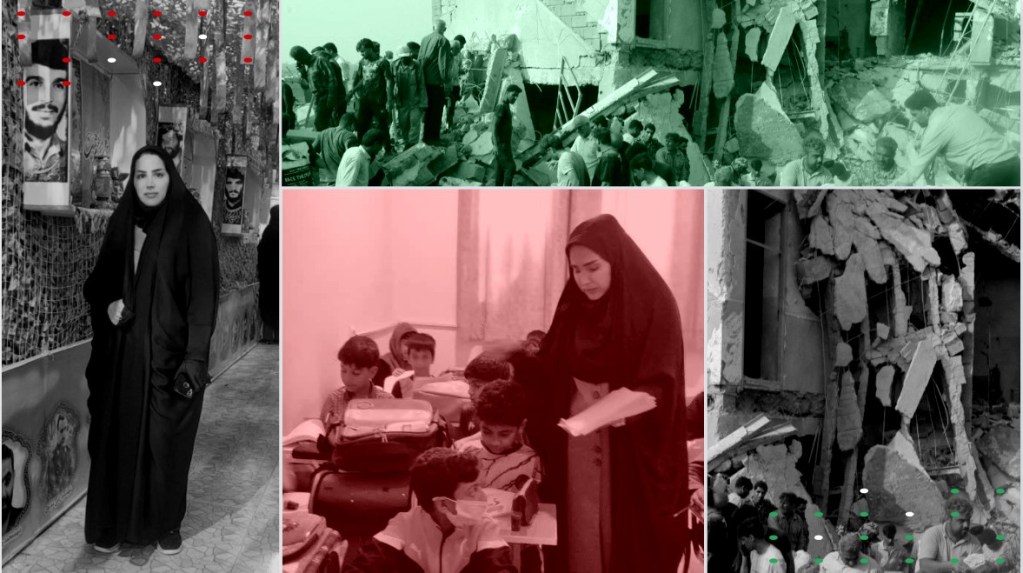
Before the southern Iranian city of Minab fully woke on February 28, 41-year-old Pouran Gholipour had already started her day. An early-riser, Gholipour built a life on routine and care, making breakfast for her husband, Alireza, and their children before heading to Shajareh Tayyebeh, a girls’ school in Shahrak-al-Mahdi.
Gholipur believed that girls should not be limited to the home. “She always said women should stand alongside men in society, in culture, in the economy, even in politics,” said her brother, Iraj. “ She was very responsible, not only toward our family, but toward everyone around her.”
A patient and committed educator, Iraj believes that a sense of responsibility towards society at large drew his sister to teaching, and she eventually served as the principal of Shajareh Tayyebeh. For her, education was not only about lessons. “She believed if people became more aware, many of our problems would be solved,” Iraj said
“She was kind, warm, and deeply emotional,” said Iraj. “Everyone loved her.”
On February 28, 2026, the United States launched an unlawful missile strike on the school, killing Pouran Gholipour along with over a hundred students, parents, and staff. Iranian authorities have put the final death toll at 165, most of them girls between the ages of 7 and 12. Around 95 others were wounded in the incident.
As the students began their studies on that Saturday morning, American missiles struck the school. The building was destroyed, and the roof collapsed over the children and teachers.

A Life Spent in Community
Pouran Gholipour had relocated to Minab with her husband and children after her partner, Alireza, was transferred there for his government job. The family is originally from Yasuj.
Life in Minab, a remote city, shaped much of what Gholipour cared about. “She was always worried about people’s living conditions,” her husband, Alireza Azizi, said. “In smaller cities like Minab, economic hardship is more visible, especially for families already struggling.” She paid particular attention to students from poorer backgrounds. “She helped them whenever she could.” Her hopes for them were simple but clear. “She wanted them to study, to grow, to become doctors, engineers, or lawyers. She wanted them to have a better life.”
“She was always in contact with her students,” said Kiarash, her twelve-year-old son. “Even during holidays, she would check on them, ask about their studies and their lives.” For many families, Gholipour was more than a school principal. “She was like a mother to them.”
At home, her children experienced her devotion and care. “She was not just our mother,” said Parnian, who is sixteen. “She was our best friend.”
What the children remember most is her patience. “She never shouted,” said Kiarash. “If we did not understand something, she would explain it again and again, calmly.” Even when she was tired, they say, she never lost that gentleness.
In the weeks before the US-Israel attack, Gholipour called her family back in Yasuz more often than usual. “She missed her mother a lot,” Alireza said. “She was waiting for Nowruz (Persian New Year) so she could travel to Yasuj.” There was a sense of restlessness amid rising geopolitical tensions.
Yet, her sense of duty remained unwavering. “One day before the incident, a family member told her to leave Minab,” he said. “They said it was a sensitive area.” Her answer was simple. “She said it was the end of the school year. Students had exams. She said she could not close the school.”
Gholipour told them she would come home during the holidays.
The following day, her children wanted to go shopping for Nowruz. “We asked her when we could go,” they said. “She replied tomorrow, after school.”
That tomorrow never came.

Double Strikes on the Iranian School
Esmaeil Baghaei, spokesperson for Iran’s Ministry of Foreign Affairs, has called the US attack a “double tap” strike — meaning two successive attacks on a single target, where the second is aimed at those who respond to or arrive on the scene to assist victims of the initial blast. This has been cross-corroborated by media reports.
When the first strike hit, Gholipour managed to get out of the school building. But then she realized some students were still inside. “She went back,” said her husband.
Gholipour and another teacher led a group of children to the prayer hall to protect them. According to eyewitness accounts given to the Middle East Eye, the second strike hit the prayer hall, killing most of those who had gathered there, including the principal.
Gholipour’s brother, Iraj, went to Minab after he learned about the strike. When he arrived, he first went to the hospital where the injured and the dead were being taken. He asked to see the names, and when the staff asked who he was looking for, he said Gholipour. One of them asked if he meant the school principal. “At that moment, I heard a woman in the hallway say don’t call her the principal, call her an angel,” he recalled. That woman, he noted, had lost two of her own children, but she was still asking about his sister.
Later that night, around midnight, they went to the site of the attack, where people in Minab were already clearing the rubble with their bare hands. Iraj joined them and remained at the site throughout the removal of the debris until his sister’s body was found. “The children and teachers under the debris were in pieces; it was something very difficult to see,” he said, adding that they stopped thinking about finding his sister and focused on bringing the bodies out.
Gholipour’s body was the last to be found, around 4 am, alongside two of her students.
Soon after the strike on the school, US authorities and some media claimed that the school was an active military site, but it was swiftly debunked by several news organizations. An investigation by Al Jazeera found that the school had been visibly separate from a nearby military compound for at least ten years.

For the family, there is little doubt about what happened. “Yes, the building had once been associated with a military facility,” said Iraj. “But for more than ten years, it had been a school.”
He points to what he calls “clear signs”: students, daily activity, and a functioning school environment. “With the level of surveillance technology that exists today,” Iraj added, “it is difficult to understand how this could be mistaken.”
The UN education agency, UNESCO, expressed alarm at the strike and noted that students in places of learning are protected under international humanitarian law. It said, “Attacks against educational institutions endanger students and teachers and undermine the right to education.”
Since that day, the family has left Minab and returned to Yasuj, where they now stay with relatives. “At night, it becomes very difficult,” Alireza said.
Parnian, her daughter, has already made up her mind. “I do not want to go back to Minab. I cannot live there without my mother.”
For Kiarash, the loss manifests in smaller moments. “Every New Year, my mom would hug me and give me money,” he said. “This year, my father says she is with God. I am waiting for her to come back so I can hug her again.”
The family wants Pouran Gholipour’s story to be heard beyond Iran. “I hope international organizations and human rights institutions will look into what happened here,” says Alireza. “The world should know.”
Also Read | Dispatch from Tehran: Bombs and Hardship are Reshaping Iranian Society


Killed Trying to Save Her Students: The Iranian Principal Who Died in the US School Strike
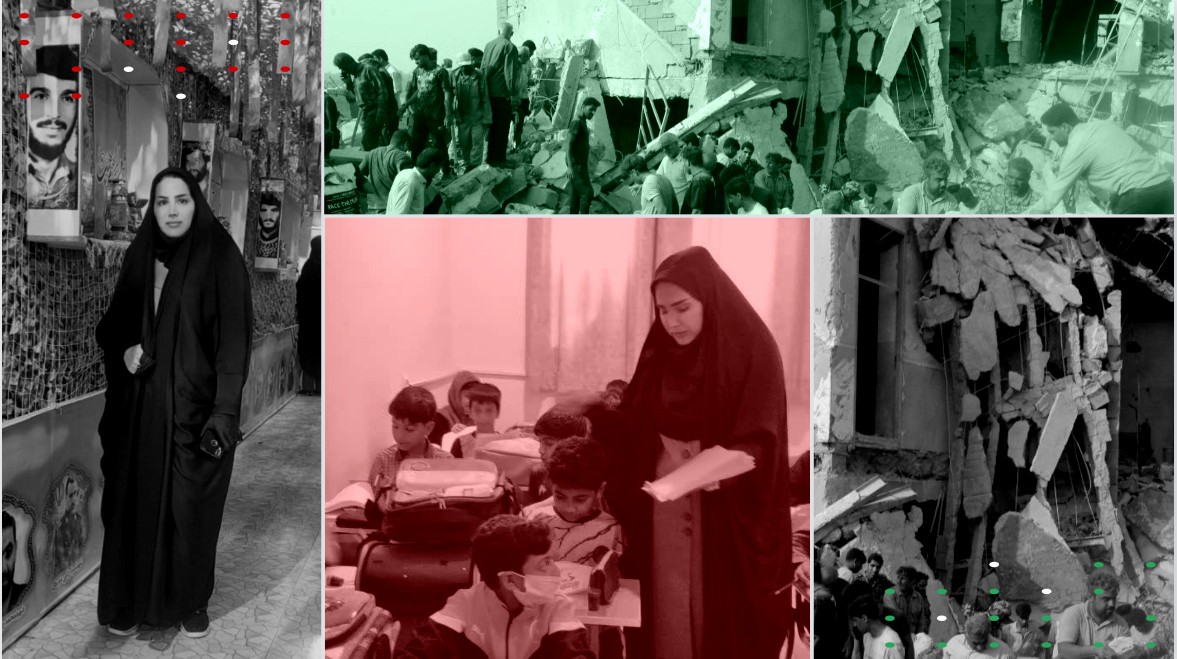
Before the southern Iranian city of Minab fully woke on February 28, 41-year-old Pouran Gholipour had already started her day. An early-riser, Gholipour built a life on routine and care, making breakfast for her husband, Alireza, and their children before heading to Shajareh Tayyebeh, a girls’ school in Shahrak-al-Mahdi.
Gholipur believed that girls should not be limited to the home. “She always said women should stand alongside men in society, in culture, in the economy, even in politics,” said her brother, Iraj. “ She was very responsible, not only toward our family, but toward everyone around her.”
A patient and committed educator, Iraj believes that a sense of responsibility towards society at large drew his sister to teaching, and she eventually served as the principal of Shajareh Tayyebeh. For her, education was not only about lessons. “She believed if people became more aware, many of our problems would be solved,” Iraj said
“She was kind, warm, and deeply emotional,” said Iraj. “Everyone loved her.”
On February 28, 2026, the United States launched an unlawful missile strike on the school, killing Pouran Gholipour along with over a hundred students, parents, and staff. Iranian authorities have put the final death toll at 165, most of them girls between the ages of 7 and 12. Around 95 others were wounded in the incident.
As the students began their studies on that Saturday morning, American missiles struck the school. The building was destroyed, and the roof collapsed over the children and teachers.
A Life Spent in Community
Pouran Gholipour had relocated to Minab with her husband and children after her partner, Alireza, was transferred there for his government job. The family is originally from Yasuj.
Life in Minab, a remote city, shaped much of what Gholipour cared about. “She was always worried about people’s living conditions,” her husband, Alireza Azizi, said. “In smaller cities like Minab, economic hardship is more visible, especially for families already struggling.” She paid particular attention to students from poorer backgrounds. “She helped them whenever she could.” Her hopes for them were simple but clear. “She wanted them to study, to grow, to become doctors, engineers, or lawyers. She wanted them to have a better life.”
“She was always in contact with her students,” said Kiarash, her twelve-year-old son. “Even during holidays, she would check on them, ask about their studies and their lives.” For many families, Gholipour was more than a school principal. “She was like a mother to them.”
At home, her children experienced her devotion and care. “She was not just our mother,” said Parnian, who is sixteen. “She was our best friend.”
What the children remember most is her patience. “She never shouted,” said Kiarash. “If we did not understand something, she would explain it again and again, calmly.” Even when she was tired, they say, she never lost that gentleness.
In the weeks before the US-Israel attack, Gholipour called her family back in Yasuz more often than usual. “She missed her mother a lot,” Alireza said. “She was waiting for Nowruz (Persian New Year) so she could travel to Yasuj.” There was a sense of restlessness amid rising geopolitical tensions.
Yet, her sense of duty remained unwavering. “One day before the incident, a family member told her to leave Minab,” he said. “They said it was a sensitive area.” Her answer was simple. “She said it was the end of the school year. Students had exams. She said she could not close the school.”
Gholipour told them she would come home during the holidays.
The following day, her children wanted to go shopping for Nowruz. “We asked her when we could go,” they said. “She replied tomorrow, after school.”
That tomorrow never came.
Double Strikes on the Iranian School
Esmaeil Baghaei, spokesperson for Iran’s Ministry of Foreign Affairs, has called the US attack a “double tap” strike — meaning two successive attacks on a single target, where the second is aimed at those who respond to or arrive on the scene to assist victims of the initial blast. This has been cross-corroborated by media reports.
When the first strike hit, Gholipour managed to get out of the school building. But then she realized some students were still inside. “She went back,” said her husband.
Gholipour and another teacher led a group of children to the prayer hall to protect them. According to eyewitness accounts given to the Middle East Eye, the second strike hit the prayer hall, killing most of those who had gathered there, including the principal.
Gholipour’s brother, Iraj, went to Minab after he learned about the strike. When he arrived, he first went to the hospital where the injured and the dead were being taken. He asked to see the names, and when the staff asked who he was looking for, he said Gholipour. One of them asked if he meant the school principal. “At that moment, I heard a woman in the hallway say don’t call her the principal, call her an angel,” he recalled. That woman, he noted, had lost two of her own children, but she was still asking about his sister.
Later that night, around midnight, they went to the site of the attack, where people in Minab were already clearing the rubble with their bare hands. Iraj joined them and remained at the site throughout the removal of the debris until his sister’s body was found. “The children and teachers under the debris were in pieces; it was something very difficult to see,” he said, adding that they stopped thinking about finding his sister and focused on bringing the bodies out.
Gholipour’s body was the last to be found, around 4 am, alongside two of her students.
Soon after the strike on the school, US authorities and some media claimed that the school was an active military site, but it was swiftly debunked by several news organizations. An investigation by Al Jazeera found that the school had been visibly separate from a nearby military compound for at least ten years.
For the family, there is little doubt about what happened. “Yes, the building had once been associated with a military facility,” said Iraj. “But for more than ten years, it had been a school.”
He points to what he calls “clear signs”: students, daily activity, and a functioning school environment. “With the level of surveillance technology that exists today,” Iraj added, “it is difficult to understand how this could be mistaken.”
The UN education agency, UNESCO, expressed alarm at the strike and noted that students in places of learning are protected under international humanitarian law. It said, “Attacks against educational institutions endanger students and teachers and undermine the right to education.”
Since that day, the family has left Minab and returned to Yasuj, where they now stay with relatives. “At night, it becomes very difficult,” Alireza said.
Parnian, her daughter, has already made up her mind. “I do not want to go back to Minab. I cannot live there without my mother.”
For Kiarash, the loss manifests in smaller moments. “Every New Year, my mom would hug me and give me money,” he said. “This year, my father says she is with God. I am waiting for her to come back so I can hug her again.”
The family wants Pouran Gholipour’s story to be heard beyond Iran. “I hope international organizations and human rights institutions will look into what happened here,” says Alireza. “The world should know.”
Also Read | Dispatch from Tehran: Bombs and Hardship are Reshaping Iranian Society