


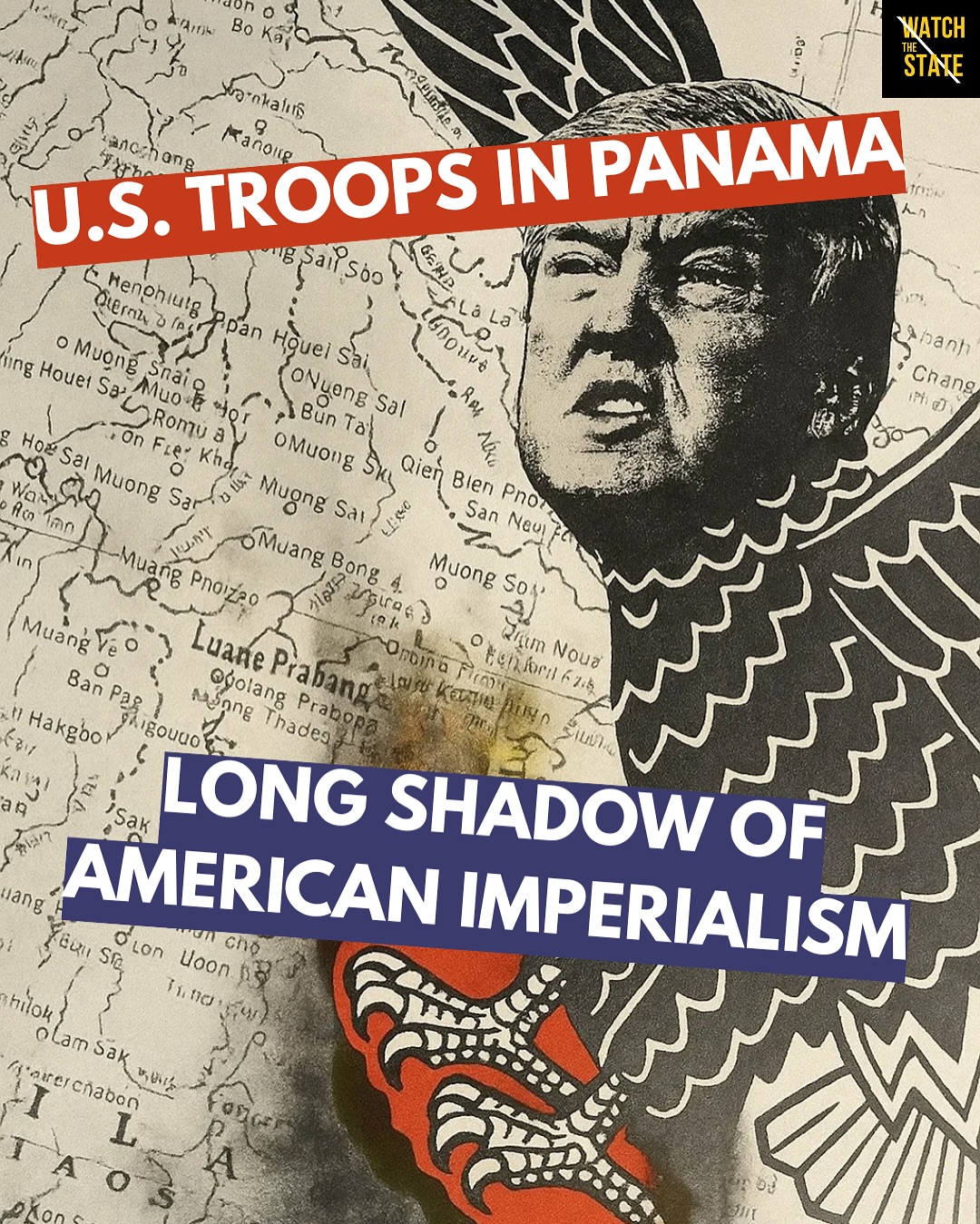




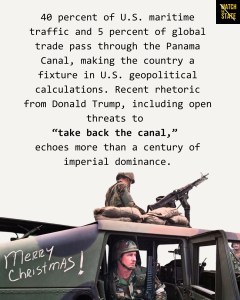


A recent memorandum of understanding between Washington and the government of José Raúl Mulino allows the redeployment of U.S. troops to Panama, marking a dramatic rollback of Panamanian sovereignty. Social and union movements have condemned the agreement as a betrayal, one enforced through violent repression, and widespread human rights abuses. For many Panamanians, the presence of U.S. soldiers once again on their soil revives the bitter memory of a century of foreign occupation.
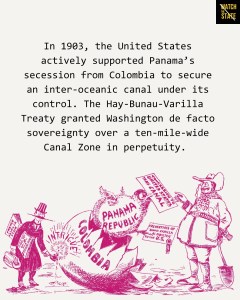
In 1903, the United States supported Panama’s secession from Colombia, only to secure perpetual control over the Canal Zone. From the invasion of 1989 to the systematic undermining of the Torrijos–Carter Treaties, Panama has been subjected to a long pattern of subordination in which U.S. power overshadowed its sovereignty. The canal has always been the fulcrum of imperial geopolitics in the hemisphere.
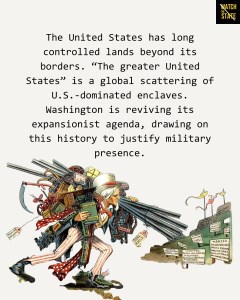
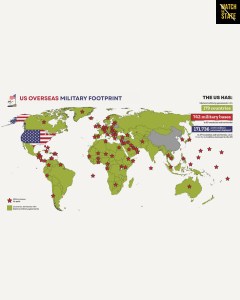
The re-entry of U.S. troops is part of a renewed expansionist agenda. At a moment when Washington faces challenges from China and the BRICS bloc, control of Panama once again becomes central to its global strategy. In the longue durée of U.S. imperialism, Panama’s present struggle is a battle against the persistence of empire in Latin America.