




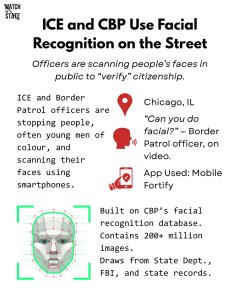


Facial recognition technology is being deployed by U.S. immigration authorities on city streets to verify citizenship in real time. Recent videos from Chicago and New Mexico show ICE and CBP agents scanning people’s faces with mobile phones, using an app called Mobile Fortify that connects to over 200 million government images and multiple federal databases.
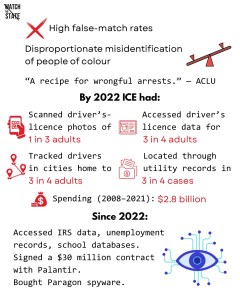
This system of surveillance architecture has since expanded through new contracts with data giants like Palantir and spyware firms such as Paragon. What began as an immigration enforcement tool has evolved into a domestic biometric dragnet capable of tracking nearly every resident through government and commercial data networks.
Experts and civil liberties advocates warn that this marks a fundamental erosion of democratic accountability. As biometric identification becomes a prerequisite for existing in public space, privacy can no longer be understood as an individual right alone, but as a collective condition necessary for civic freedom.