






Every week, Watch the State brings you a comprehensive guide to communities in resistance, and the state’s violent backlash. Across continents, citizens are refusing to accept austerity, corruption, and war as the inevitable costs of political power. In France, nearly half a million workers and students shut down public services in a nationwide strike against Macron’s cuts. In The Gambia, anti-corruption activists were arrested as the government dismantled independent oversight. In Argentina, tens of thousands rallied to defend universities and hospitals from Milei’s austerity programme.
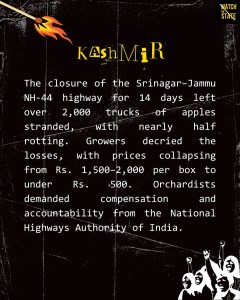
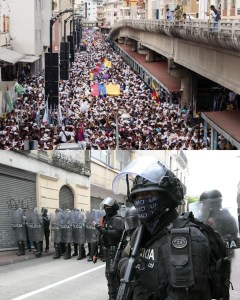
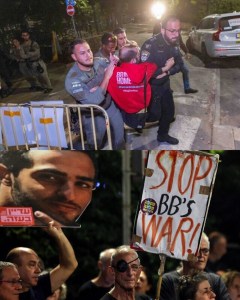
The resistance spread further: Kashmiri orchardists blocked roads demanding accountability after a two-week highway closure left truckloads of apples rotting; in Ecuador, Indigenous groups and trade unions rejected the elimination of fuel subsidies that threaten to deepen poverty; and in Jerusalem, thousands marched to Netanyahu’s residence demanding an end to the war in Gaza and the release of hostages. Each protest speaks to the same reality: people are contesting neoliberal reforms, authoritarian excesses, and militarised violence, while states respond with repression, denial, or delay.
Protest is a global language of survival, dignity, and hope. Documenting these struggles is essential in a world where the powerful depend on silence.